
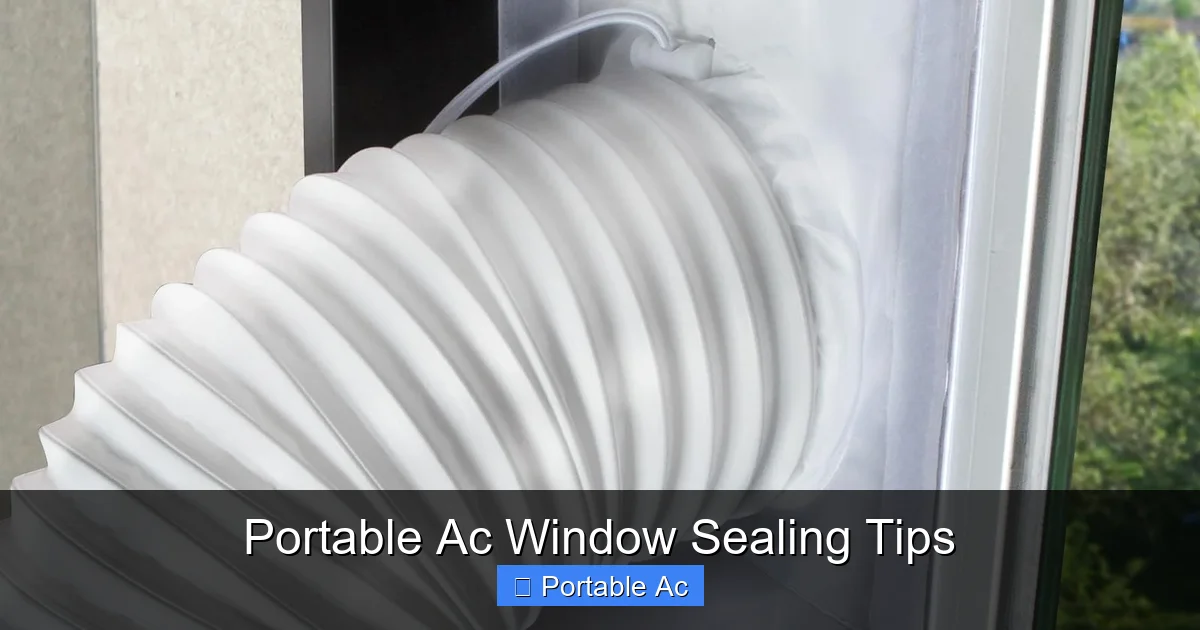
Portable AC window sealing is crucial for maximizing cooling efficiency and preventing energy waste. Proper sealing eliminates drafts, reduces strain on your unit, and keeps your room comfortably cool. Whether you’re renting or living in a space without permanent AC options, these practical tips will help you seal any window like a pro.
If you’re using a portable air conditioner, you know how satisfying it feels to walk into a suddenly cooler room on a hot day. But what happens when you turn it off and feel that warm draft creeping back in? That’s usually because the window seal isn’t doing its job. A poorly sealed window can turn your portable AC from a cooling hero into a money-draining leaky bucket. The good news? Sealing your portable AC window doesn’t have to be complicated. With the right tools and a little know-how, you can keep your space cool, comfortable, and energy-efficient all summer long.
Portable air conditioners are fantastic for flexibility—no permanent installation needed, perfect for apartments, rentals, or temporary setups. But their biggest challenge lies in how they vent hot air outside. Unlike window units, most portable ACs use a hose that runs through a window. That hose needs a tight, secure fit to work efficiently. If air escapes through gaps, your AC has to work harder, increasing electricity bills and reducing cooling power. That’s why mastering portable AC window sealing is essential for anyone relying on this type of cooling system.
In this guide, we’ll walk you through everything you need to know about sealing your portable AC window like a pro. From choosing the right materials to troubleshooting common issues, we’ve got you covered. Whether you’re dealing with sliding windows, double-hung frames, or tricky vinyl windows, these tips will help you get the most out of your unit. Let’s dive in.
Key Takeaways
- Sealing gaps prevents cold air from escaping: Even small cracks around your portable AC window kit can reduce efficiency by up to 30%.
- Weatherstripping and foam tape are cost-effective solutions: These materials create a tight seal without damaging your window frame.
- Use a well-fitted window AC kit: Many portable ACs come with expandable kits—make sure it fits snugly in your window.
- Install an extension cord properly: Poor electrical connections can cause overheating or power loss during operation.
- Regular maintenance improves seal longevity: Clean filters and check seals monthly to maintain performance.
- Consider alternative exhaust methods: If sealing fails, explore windowless portable ACs designed for open spaces.
Quick Answers to Common Questions
How do I know if my portable AC window is sealed properly?
You’ll know it’s sealed well if you feel little to no cold air escaping around the edges when the unit runs. Also, your AC should reach the desired temperature faster and run fewer cycles than before.
Can I use duct tape to seal a portable AC window?
Yes, but only high-quality insulated or reflective duct tape works best. Regular duct tape may peel off in sunlight or lose stickiness quickly, especially in hot climates.
What if my window is too small for the standard portable AC kit?
Look for expandable kits with adjustable panels. You can also cut foam boards to size or combine multiple pieces for a custom fit. Always test for leaks after installation.
Is it safe to leave my portable AC running overnight?
Yes, as long as the window seal is secure and there’s proper ventilation. Just ensure the area stays dry and the filter is clean to prevent mold or odors.
Can I install a portable AC without a window?
Absolutely! Some models are designed for windowless use by releasing exhaust air into the room and reheating it slightly. Check our guide on best portable ACs for rooms without windows for recommendations.
📑 Table of Contents
- Why Portable AC Window Sealing Matters
- Choosing the Right Window Kit
- Step-by-Step Guide to Sealing Your Portable AC Window
- Common Window Types and Their Sealing Challenges
- Advanced Sealing Techniques
- Maintaining Your Portable AC Window Seal
- Troubleshooting Common Sealing Problems
- Energy-Saving Tips Beyond Sealing
- Conclusion
Why Portable AC Window Sealing Matters
At first glance, sealing a window might seem like a small detail. But in reality, it plays a huge role in how well your portable AC performs. When the exhaust hose isn’t properly secured, cold air leaks out while warm air sneaks in. This imbalance forces your AC to cycle on more often, consuming more energy and shortening its lifespan.
A study by the Department of Energy found that improperly installed portable ACs can lose up to 30% of their cooling capacity due to poor ventilation. That means you’re paying full price for half the chill. Not only does this drive up utility bills, but it also puts unnecessary stress on the compressor, potentially leading to costly repairs.
Beyond efficiency, a tight seal protects your home from moisture and pests. Water vapor from your AC can condense and drip if not managed correctly, especially in humid climates. And unsealed windows invite dust, bugs, and even rodents into your living space. By taking the time to seal your portable AC window, you’re protecting both your comfort and your wallet.
Choosing the Right Window Kit
Not all portable AC units come with the same window kit. Some are basic, others include expandable panels and adjustable brackets. Before you start sealing, make sure your kit matches your window type. For example, a sliding window requires a different setup than a standard double-hung window.
When selecting a portable AC, look for models with expandable window kits. These kits usually include foam boards, plastic extensions, and weatherstripping materials that adapt to various window sizes. Brands like Whynter, LG, and De’Longhi often include high-quality, customizable kits as part of their units.
If you already own a portable AC but the kit is missing or damaged, replacement kits are widely available online. Make sure to measure your window opening before ordering—most kits list compatible width ranges. A proper fit is the foundation of effective sealing.
What to Look for in a Window Kit
- Adjustable panels: Allow for a custom fit in different window sizes.
- Foam insulation: Blocks drafts and improves thermal resistance.
- Weatherstripping tape: Creates a flexible seal around edges.
- Secure mounting brackets: Prevent the hose from shifting or detaching.
For renters or those who frequently move, consider investing in a portable AC with a window kit that minimizes damage. Some models use clamp-based systems that don’t require drilling or adhesives.
Step-by-Step Guide to Sealing Your Portable AC Window
Now that you understand why sealing matters, let’s get practical. Follow these steps to seal your portable AC window like a pro:
1. Measure Your Window Opening
Start by measuring the width and height of your window. Most portable AC window kits accommodate widths between 22 to 36 inches. If your window is smaller or larger, you may need to modify the kit or purchase extenders.
2. Assemble the Window Kit
Lay out all components: foam boards, plastic sliders, brackets, and sealing tape. Follow the manufacturer’s instructions carefully. Typically, you’ll slide the hose through a pre-cut hole in the foam or plastic panel, then attach the panel to the window frame.
3. Install the Panel Snugly
Insert the panel into the window opening. Adjust the side pieces outward until they press firmly against the window frame. Use the included screws or clamps to secure them in place. Avoid overtightening, which could warp the frame or crack glass.
4. Seal All Gaps
Even with a snug fit, tiny gaps can form at the top, sides, and bottom. Apply weatherstripping tape or foam gasket tape along these edges. Press firmly to ensure adhesion. For extra protection, add a layer of silicone caulk around the outer edge—just avoid blocking the hose path.
5. Test the Seal
Turn on your portable AC and listen for unusual noises. Feel around the window edges for drafts. If cold air still escapes, recheck the seal and adjust as needed.
Many users find that combining multiple sealing methods works best. For instance, using both foam boards and adhesive tape provides double-layer protection.
Common Window Types and Their Sealing Challenges
Visual guide about Portable Ac Window Sealing Tips
Image source: martinsonmanufacturing.com
Different window styles present unique sealing challenges. Here’s how to handle the most common types:
Sliding Windows
Sliding windows are popular in apartments but can be tricky to seal because they lack fixed frames on one side. Start by placing the portable AC window kit inside the sash (the movable part). Then slide the bottom sash down to trap the panel in place. Use additional clamps or zip ties to secure it from below.
If your sliding window has a gap at the bottom, insert a rolled towel or foam board to block airflow. This simple trick often solves the problem without modifying the window itself.
Double-Hung Windows
These traditional windows have two movable sashes. To seal effectively, close both sashes partially so they rest against the portable AC panel. This creates a natural barrier while allowing access to the window if needed.
Be cautious not to jam the sashes completely—this can warp the tracks or damage seals over time. Instead, aim for a tight but functional fit.
Vinyl or Aluminum Windows
Vinyl windows are lightweight and prone to warping under pressure. Avoid using metal clamps that could scratch or dent the frame. Opt for soft foam pads or rubberized straps instead. Also, check for expansion gaps caused by temperature changes. These can widen in summer heat, creating new leaks.
Advanced Sealing Techniques
Once the basics are covered, you can take sealing to the next level with these advanced tips:
Use Insulated Duct Tape
Standard duct tape can degrade in sunlight and lose stickiness. Switch to insulated or reflective duct tape, which resists UV rays and maintains adhesion longer. Wrap it around joints and seams for added durability.
Create a Custom Baffle
If your window kit doesn’t fit perfectly, build a simple baffle using cardboard or plastic sheeting. Attach it to the exterior side of the window to redirect airflow and reduce heat gain. Just make sure it doesn’t obstruct emergency exits or fire codes.
Install a Secondary Exhaust Fan (Optional)
In extremely hot climates, adding a small exhaust fan outside the window can help pull hot air away from the hose outlet. This improves efficiency by reducing backpressure. Choose a fan with a timer or thermostat for automatic control.
Lubricate Moving Parts
If your window kit includes sliding rails or brackets, apply a light coat of silicone spray every few months. This prevents sticking and ensures smooth operation year-round.
Remember, innovation doesn’t always mean expensive upgrades. Simple tweaks like these can significantly improve performance without breaking the bank.
Maintaining Your Portable AC Window Seal
Sealing isn’t a one-time task—it requires regular attention. Over time, weatherstripping dries out, foam compresses, and dust accumulates. Here’s how to keep your seal in top shape:
Clean the Hose and Filters Weekly
A clogged filter restricts airflow, making your AC work harder and potentially damaging the compressor. Remove and clean reusable filters monthly with mild soap and water. Dry thoroughly before reinstalling.
Also, wipe down the exhaust hose and exterior vents to remove dust buildup. Use a soft brush or vacuum attachment for deep cleaning.
Inspect Seals Monthly
Check for cracks, tears, or loose tape around the window kit. Replace any worn-out materials immediately. Small issues caught early prevent bigger problems later.
Reapply Adhesive as Needed
Over time, adhesive loses effectiveness, especially in humid conditions. Reapply weatherstripping or foam tape once per season for consistent sealing.
Monitor Performance
Pay attention to changes in cooling speed, noise levels, or energy bills. If your AC starts running longer cycles or struggling to reach the set temperature, the seal may be compromised.
By staying proactive, you’ll extend the life of your portable AC and enjoy reliable cooling throughout the season.
Troubleshooting Common Sealing Problems
Even with the best intentions, things don’t always go smoothly. Here’s how to fix frequent sealing issues:
Problem: Cold Air Still Escaping
Solution: Double-check all connections. Add extra layers of foam or tape. Ensure the hose isn’t kinked or blocked. Sometimes, repositioning the panel slightly can make a big difference.
Problem: Condensation Inside the Room
Solution: This usually indicates excess humidity or poor drainage. Make sure the portable AC’s internal drain tube isn’t clogged. Also, verify that the exhaust hose is angled downward slightly to prevent water backup.
Problem: Noise During Operation
Solution: Vibrations from loose parts can travel through the window frame. Tighten all screws and add rubber gaskets where possible. Placing a towel under the unit can also dampen sound.
Problem: Pests Entering Through Gaps
Solution: Install fine mesh screens over ventilation holes. Use steel wool or expanding foam to fill rodent-sized gaps. Keep food sealed and trash bins away from windows.
If problems persist despite adjustments, consider consulting a professional HVAC technician. They can assess structural issues or recommend alternative cooling solutions.
Energy-Saving Tips Beyond Sealing
While sealing is critical, it’s just one piece of the puzzle. Pair it with these habits to maximize efficiency:
- Close curtains and blinds: Block direct sunlight to reduce indoor heat load.
- Use ceiling fans: Help circulate cool air and allow you to raise the thermostat by a few degrees.
- Set the thermostat smartly: Aim for 78°F (26°C) when home, lower when asleep.
- Avoid heat-generating appliances: Minimize oven, dryer, and lamp use during peak hours.
For even greater savings, explore advanced energy-saving techniques tailored to portable ACs.
Conclusion
Sealing your portable AC window is one of the simplest yet most impactful ways to improve cooling efficiency and lower energy costs. From choosing the right kit to maintaining seals over time, every step counts. Whether you’re battling summer heat waves or simply want a more comfortable living space, these tips empower you to take control of your environment—without breaking the bank or damaging your home.
Remember, a little effort goes a long way. With consistent care and smart practices, your portable AC can deliver powerful, reliable cooling all season long. So roll up your sleeves, grab some weatherstripping, and seal that window like a pro!
Frequently Asked Questions
Should I seal the window from the inside or outside?
It’s best to seal from both sides. Inside, use foam boards and tape to block drafts. Outside, add weatherstripping or secondary barriers to deflect heat and wind. This dual approach maximizes effectiveness.
How often should I check my portable AC window seal?
Inspect your seal at least once a month, especially during extreme weather changes. Reapply tape or replace foam if you notice cracks, looseness, or reduced cooling performance.
Can I use a portable AC in a bathroom?
Only if the bathroom has a window or vent for exhaust. Portable ACs remove humidity, so without proper airflow, moisture can accumulate and promote mold growth. Never run one in a sealed shower stall.
Will sealing my window reduce my electricity bill?
Yes, properly sealed windows can improve efficiency by 20–30%, leading to noticeable savings on your energy bill. The exact amount depends on usage, climate, and the age of your unit.
What materials are best for sealing around glass windows?
Foam gasket tape, silicone caulk, and adhesive-backed weatherstripping work best on glass. Avoid abrasive materials that could scratch or damage the surface. Always test a small area first.
Can I reuse my portable AC window kit in a new apartment?
Yes, as long as the window dimensions match. Store the kit in a dry place to prevent mold or warping. Bring it along when moving—it’s a valuable investment for renters.
