
Storing your portable AC for winter is essential to extend its lifespan and maintain performance. This guide walks you through every step—from deep cleaning to choosing the right storage location—so your unit stays in top shape until summer returns. With simple prep steps and smart storage tips, you’ll avoid common mistakes and save money on repairs.
If you’ve ever wondered what to do with your portable air conditioner once the heat of summer fades, you’re not alone. Many homeowners face the same question: Should I leave it running? Tear it down? Or pack it away for the season? The answer isn’t always obvious, but proper portable AC winter storage is crucial. Neglecting this simple task can lead to mold buildup, component corrosion, or even compressor failure by next summer.
Think of your portable AC like a car—it needs regular maintenance and seasonal care to keep running smoothly. Just as you wouldn’t drive a vehicle without changing the oil or storing it in a damp garage, your portable AC deserves thoughtful preparation before winter sets in. This comprehensive portable AC winter storage guide walks you through every step, from deep cleaning to secure packaging, so your unit emerges from storage ready to cool your space again when temperatures rise.
In this article, we’ll cover why winter storage matters, how to prepare your unit properly, and where to store it for maximum protection. Whether you’re a first-time owner or a seasoned user, these practical tips will help you preserve your investment and avoid costly repairs.
Key Takeaways
- Clean thoroughly before storing: Remove dust, mold, and debris from filters, coils, and drain lines to prevent damage during dormancy.
- Drain all water: Empty the internal water tank and disconnect the drain hose to avoid freezing or bacterial growth.
- Store in a dry, cool place: Choose a spot away from humidity, direct sunlight, and temperature extremes to protect components.
- Use original packaging if possible: Reusing the box helps cushion the unit and keeps it protected from physical damage.
- Label and document settings: Note down any custom configurations so you can easily restore them when reinstalling.
- Check units monthly: Inspect stored portable ACs briefly during winter to ensure no pests, leaks, or moisture issues develop.
Quick Answers to Common Questions
Can I leave my portable AC outside during winter?
No, never store your portable AC outdoors. Exposure to snow, rain, and freezing temperatures can damage internal components, corrode metal parts, and void your warranty. Always keep it in a climate-controlled indoor space.
How often should I check my stored portable AC?
Inspect your portable AC once a month during winter. Look for signs of mold, pests, or water damage. A quick visual check ensures nothing has developed while your unit is inactive.
Should I clean the filter every year before storage?
Yes, always clean or replace the filter before storing your portable AC. A dirty filter traps moisture and promotes bacterial growth, which can spread unpleasant odors and reduce air quality when you restart the unit.
Is it okay to store my portable AC on its side?
Only if your model is specifically designed for horizontal storage—check your manual. Most portable ACs must remain upright to protect the refrigerant system. Placing it sideways can cause oil pooling and compressor damage.
When is the best time to store my portable AC?
The ideal time is early fall, once daytime temperatures consistently stay above 70°F (21°C). Avoid waiting until late winter, as unexpected cold snaps can freeze residual water inside the unit.
📑 Table of Contents
Why Winter Storage Matters for Portable AC Units
Many people assume that turning off their portable AC and unplugging it is enough. But skipping the full storage process can cause serious problems. When left uncleaned and exposed, your unit becomes a breeding ground for mold, mildew, and dust mites. These contaminants can clog delicate internal components and affect air quality when you restart the system.
Additionally, moisture trapped inside the unit during humid months can freeze during cold winter nights. This ice buildup may crack pipes or damage the refrigerant circuit—issues that are expensive to fix. Proper storage eliminates these risks by ensuring your portable AC enters the colder months in optimal condition.
Another often-overlooked benefit? Extended equipment life. A well-maintained portable AC can last 8–10 years or more. By following a solid portable AC winter storage routine, you reduce wear on moving parts, electrical systems, and seals. That means fewer breakdowns and lower repair bills down the road.
Step-by-Step Guide to Preparing Your Portable AC for Winter

Visual guide about Portable Ac Winter Storage Guide
Image source: hitechacwinterstorage.com
Getting ready for storage doesn’t require professional help—just time, patience, and the right tools. Follow these steps to prepare your unit safely and effectively.
1. Power Down and Unplug
Before touching anything, shut off the unit using the control panel or remote. Then unplug it from the wall outlet. Never attempt maintenance while the device is still connected to power—this prevents accidental activation and reduces shock risk.
2. Drain All Water Residually
Most portable ACs collect condensation in an internal bucket or tray. Start by tilting the unit slightly (if designed for drainage) or carefully removing the water tank. Pour out any remaining water completely. Don’t forget to check the external drain hose—disconnect it and flush it with clean water to remove mineral deposits or algae. Let everything air-dry fully before proceeding.
3. Clean the Air Filter
Remove the reusable filter according to your model’s instructions. Wash it with warm, soapy water, rinse thoroughly, and let it dry completely in sunlight or near a fan. Never reinstall a damp filter—it harbors bacteria and reduces airflow efficiency. For stubborn odors, try soaking the filter in vinegar solution for 30 minutes before rinsing.
4. Wipe Down Exterior Surfaces
Use a soft, lint-free cloth dampened with mild detergent to clean the cabinet, vents, and control panel. Avoid harsh chemicals that could damage plastic or labels. Pay special attention to areas around the exhaust hose connection—dirt here can restrict airflow later.
5. Inspect Internal Components
While cleaning, take a moment to visually inspect the evaporator and condenser coils. If they look caked with dust or grime, use a coil brush or compressed air (on low setting) to gently clear debris. Dirty coils reduce cooling efficiency and increase energy consumption when you restart the unit.
Choosing the Right Storage Location
Visual guide about Portable Ac Winter Storage Guide
Image source: hitechacwinterstorage.com
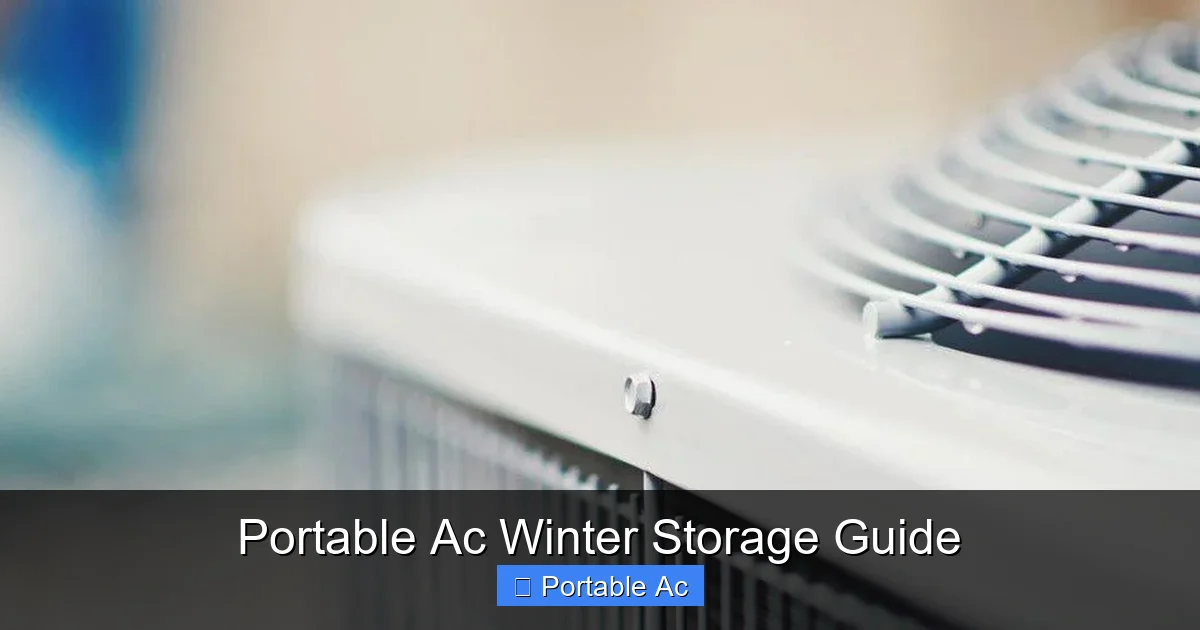
Where you store your portable AC makes a big difference. The ideal spot should be dry, cool, and free from extreme temperature swings. Basements are often recommended because they’re naturally cooler and less prone to freezing. However, ensure the area has good ventilation and isn’t subject to flooding.
Avoid garages during harsh winters—they can drop below freezing, causing condensation inside the unit to turn to ice. Similarly, attics get extremely hot in summer and cold in winter, which stresses plastic parts and seals. Closets are another option, but only if they’re climate-controlled and spacious enough to accommodate the unit without crowding.
Pro tip: Place the portable AC on a flat, elevated surface—like a wooden pallet—to prevent contact with concrete floors that retain moisture. Covering it loosely with a breathable fabric (not plastic) can also shield it from dust while allowing airflow.
Packaging Your Portable AC for Safe Transport

Visual guide about Portable Ac Winter Storage Guide
Image source: hitechacwinterstorage.com
Once cleaned and inspected, it’s time to pack up. If you still have the original box and styrofoam inserts, reuse them! They provide excellent cushioning and fit your unit snugly. If not, look for a sturdy cardboard box slightly larger than the AC itself.
Wrap the unit in bubble wrap or old blankets to protect against dents and scratches. Secure the exhaust hose with zip ties or tape so it doesn’t flop around inside the box. Label the package clearly—“Fragile,” “This Side Up,” and “Do Not Stack” go a long way in preventing mishandling.
If you plan to move the unit frequently, consider investing in a dedicated storage container with wheels. Some brands offer specialized cases designed specifically for portable ACs—they’re worth the cost if you live in an apartment or frequently relocate furniture.
Maintenance Tips During Storage Periods
Even after perfect prep, don’t ignore your stored portable AC entirely. Once a month during winter, give it a quick visual check. Open the box (if stored indoors) or peek under the covering to ensure there’s no visible mold, pest activity, or water stains. If you notice anything unusual, address it immediately before spring arrives.
Also, rotate the unit occasionally if it’s stored in one position for too long. This prevents flat-spotting of rubber feet or seals that could compromise stability when reinstalled. And remember: always test the unit briefly at the start of each cooling season. Turn it on for 10–15 minutes to confirm it powers up and circulates air normally.
For extra peace of mind, keep the manual handy and note down serial numbers or warranty details. If something does go wrong post-storage, having this info ready speeds up troubleshooting and support requests.
Common Mistakes to Avoid When Storing Portable ACs
Even experienced users make errors during winter prep. Here are the most frequent pitfalls—and how to steer clear of them.
Don’t skip draining the water system. Leaving residual moisture invites mold and rust. Always double-check that both the internal tank and external hose are empty and dry.
Never store your portable AC while still plugged in. Even in standby mode, electronics generate heat and consume minimal power, which can degrade circuits over time.
Avoid wrapping the unit tightly in plastic bags or sealing it completely. Trapped moisture from breathing or nearby leaks can condense inside, leading to corrosion. Use breathable covers instead.
Don’t stack heavy items on top of the stored AC. Pressure can warp panels or crush delicate internals, especially in older models.
Finally, resist the urge to “test run” the unit inside a sealed room during storage. Running an AC in a closed, unventilated space creates humidity, defeating the purpose of winterizing altogether.
By avoiding these mistakes, you’ll protect your investment and enjoy reliable performance whenever you need it.
Frequently Asked Questions
How long can I store a portable AC without using it?
You can safely store a portable AC for up to 6–12 months if properly prepared. Beyond that, components may degrade due to dust accumulation or seal drying out. Regular checks during long-term storage help prevent issues.
Do I need to remove the battery from my portable AC remote?
Not usually—most remotes use button cells that last years. However, if you won’t use the remote for several months, removing the battery prevents leakage that could damage circuitry. Only do this if storage exceeds 3–4 months.
What happens if I forget to drain the water tank before storage?
Trapped water can freeze and expand, cracking plastic parts or rupturing tubes. It can also breed mold and mildew, leading to foul smells and potential health hazards when you restart the unit. Always drain thoroughly.
Can I store my portable AC next to a furnace or heater?
Avoid placing your portable AC near heating vents or radiators. Heat sources accelerate drying of lubricants and seals, shortening the unit’s lifespan. Maintain at least 3–5 feet of clearance for optimal preservation.
Will covering my portable AC with a plastic tarp keep it safe?
Plastic tarps trap moisture and promote condensation inside the unit. Instead, use breathable covers like cotton sheets or specialized fabric storage bags. Ensure airflow to prevent mold and rust formation.
Should I reset my portable AC before storing it?
Yes, perform a factory reset if your model supports it. This clears memory settings and resets timers, giving you a fresh start when reinstalling. Refer to your manual for specific reset instructions.
