
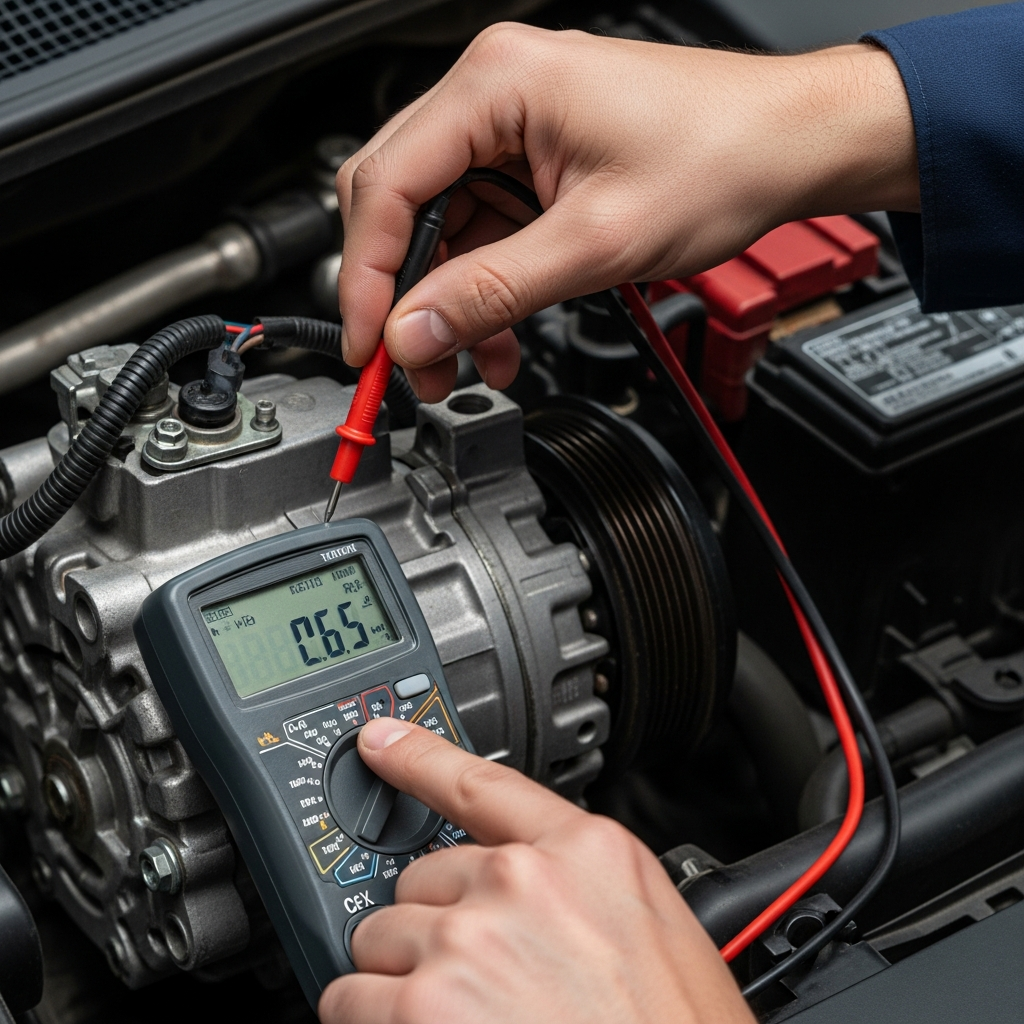
Don’t let a faulty AC compressor leave you sweating! Testing your AC compressor is easier than you think. This guide will walk you through simple steps to check if your compressor is working right, helping you save money and stay cool.
Is your air conditioner not cooling like it used to? Or maybe you’re just curious about what makes that big outdoor unit tick? It’s easy to feel a little lost when it comes to ACs. But don’t worry, I’m here to help you understand your system better. We’ll break down the confusing bits into simple, actionable tips. Get ready to feel more confident about your AC, save some cash on your energy bills, and keep your home nice and cool!
What’s an AC Compressor and Why Test It?
Think of the compressor as the heart of your air conditioner. It pumps the refrigerant, which is the stuff that actually cools your air. If the compressor isn’t working right, your AC won’t be able to cool your home effectively. Testing it can help you figure out if it’s the source of your cooling problems.
Safety First! Before You Start
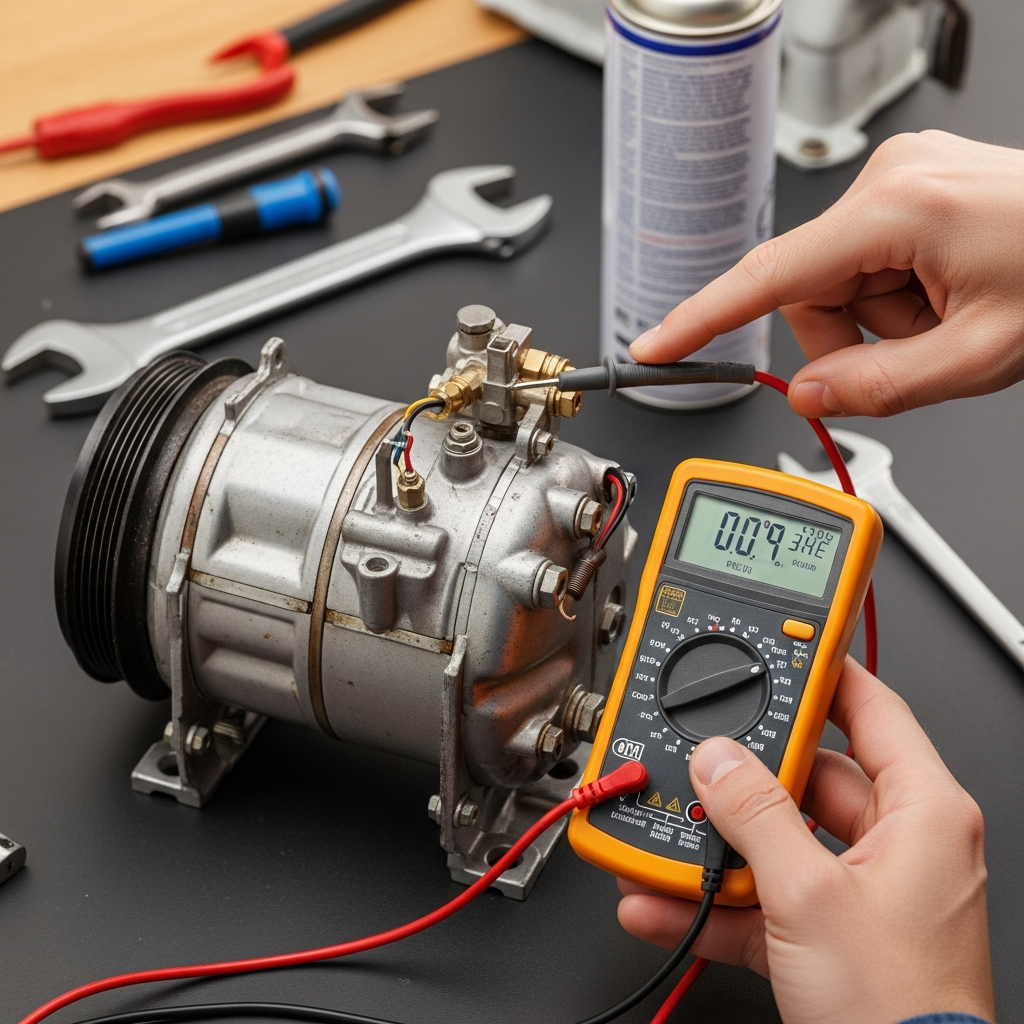
Working with electrical components can be risky. Always make sure the power to your air conditioner is turned OFF at the breaker box before you touch anything. Safety is super important when dealing with any AC part, especially the compressor. If you’re ever unsure, it’s always best to call a professional.
Tools You Might Need
You don’t need a whole toolbox for this! Here are a few things that will make testing your AC compressor much easier:
- Screwdriver set (for removing the access panel)
- Multimeter (to check electrical voltage and resistance)
- Safety glasses (to protect your eyes)
- Work gloves (for a good grip and protection)
Step-by-Step: Testing Your AC Compressor
Let’s get this done! Follow these simple steps carefully.
Step 1: Turn Off the Power
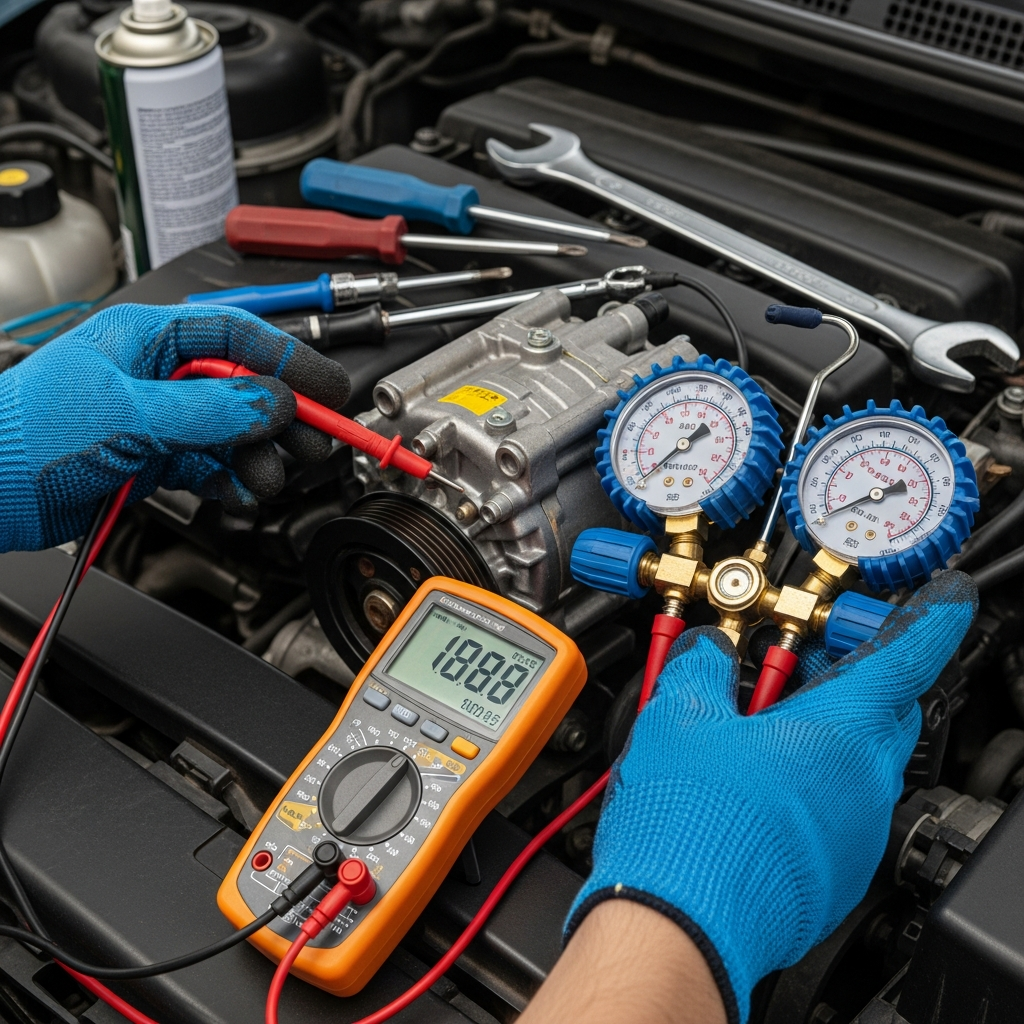
This is the most crucial step. Go to your electrical panel and find the breaker for your air conditioner. Flip it to the OFF position. Double-check that the unit is completely dead by trying to turn it on at the thermostat.
Step 2: Locate the Compressor
The compressor is usually found in the outdoor unit of your split-system air conditioner. You’ll need to remove an access panel to get to the electrical components. It might be held on by a few screws.
Step 3: Inspect for Obvious Damage
Before using any tools, take a good look. Do you see any burnt wires, loose connections, or physical damage to the compressor itself? If you see anything that looks obviously broken or burnt, it’s a strong sign the compressor might be the issue. It’s probably time to call a pro.
Step 4: Test the Electrical Connections
This is where your multimeter comes in. You’ll be checking the voltage and resistance. You’re looking to see if the compressor is receiving power and if its internal windings are intact.
Checking Voltage
Set your multimeter to AC voltage. Carefully touch the probes to the terminals where the power comes into the compressor. You should see a reading close to your home’s voltage (usually around 230-240V for a central AC unit). If you don’t see any voltage, the problem might be with your wiring or the capacitor, not the compressor itself.
Checking Resistance (Continuity)
Now, switch your multimeter to the resistance (ohms) setting. You’ll test the resistance between the common, start, and run terminals of the compressor. This checks the internal windings. The readings should be within a specific range (refer to your AC’s manual for exact numbers, but generally, you’re looking for a few ohms, not an open circuit or a dead short). If you get infinite resistance (OL) or zero resistance, the compressor is likely bad.
Step 5: Listen for Sounds
With the power still off, you can try to manually turn the compressor fan. If it’s seized up and won’t budge, that’s a bad sign. Once you’re confident about the electrical tests, you can carefully turn the power back on at the breaker and listen. Does the compressor hum and try to start, but then shut off? Or does it make no noise at all? These sounds (or lack thereof) can give clues.
What Your Readings Might Mean
Interpreting multimeter readings can seem tricky, but here’s a simple breakdown:
| Symptom/Reading | Possible Cause |
|---|---|
| No voltage at compressor terminals | Issue with wiring, control board, or thermostat. |
| Voltage present, but compressor doesn’t run or hums and shuts off | Bad start capacitor, run capacitor, or internal compressor failure. |
| High resistance (OL) between terminals | Open winding inside the compressor; compressor is bad. |
| Low resistance (near zero) between terminals | Short circuit inside the compressor; compressor is bad. |
When to Call a Professional
While these steps can help you get a good idea of what’s going on, remember that AC systems are complex. If you’re not comfortable with electrical testing, if your multimeter readings are confusing, or if you suspect the compressor is indeed faulty, it’s always best to call a qualified HVAC technician. They have the tools and expertise to diagnose and repair issues safely and effectively.
Frequently Asked Questions
Q: How do I know if my AC compressor is broken?
A: If your AC isn’t cooling, you hear strange noises from the outdoor unit, or you find no power getting to the compressor, it might be broken. Testing it with a multimeter is the best way to know for sure.
Q: Can I just replace the compressor myself?
A: Replacing an AC compressor is a complex job that involves handling refrigerants and high-voltage electricity. It’s usually best left to trained HVAC professionals.
Q: What’s the difference between a compressor and a capacitor?
A: The compressor is the “heart” that pumps refrigerant. The capacitor is like a small battery that helps the compressor and fan motors start and run smoothly. Both can fail and cause cooling problems.
Q: My AC is running, but not cooling. Is it the compressor?
A: It could be! But it could also be low refrigerant, a dirty air filter, or a faulty fan motor. Testing the compressor is a good step, but don’t forget to check the other parts too.
Q: How much does it cost to fix an AC compressor?
A: Replacing an AC compressor can be expensive, often costing anywhere from $1,000 to $3,000 or more, depending on the unit and labor. That’s why regular maintenance is so important!
Q: What is a hard-starting compressor?
A: This happens when a compressor struggles to get going. It might hum loudly, or trip the breaker soon after starting. A failing start capacitor or internal compressor issues can cause this.
Keep Your Cool with Simple AC Care
Taking care of your air conditioner doesn’t have to be overwhelming. By understanding its basic parts like the compressor and knowing how to perform simple checks, you can catch potential problems early. Remember to always prioritize safety and don’t hesitate to call in the experts when you need them. With a little attention, you can keep your AC running efficiently, saving you money and keeping your home comfortable all year round. Stay cool!
