

Don’t let a clogged AC line leave you sweating! This guide shows you how to easily unclog your AC drain line yourself in just a few simple steps, saving you time and money.
Is your air conditioner acting up? Maybe it’s not cooling like it used to, or you’re seeing water pooling around your indoor unit. It can feel a bit confusing when your AC isn’t working right, but don’t worry! I’m Jack from ACReviewHub.com, and I’m here to help you understand your AC and fix common issues without any stress. We’ll break down tricky AC stuff into super simple tips. Get ready to feel cool and in control of your home comfort!
Why Does My AC Drain Line Get Clogged?
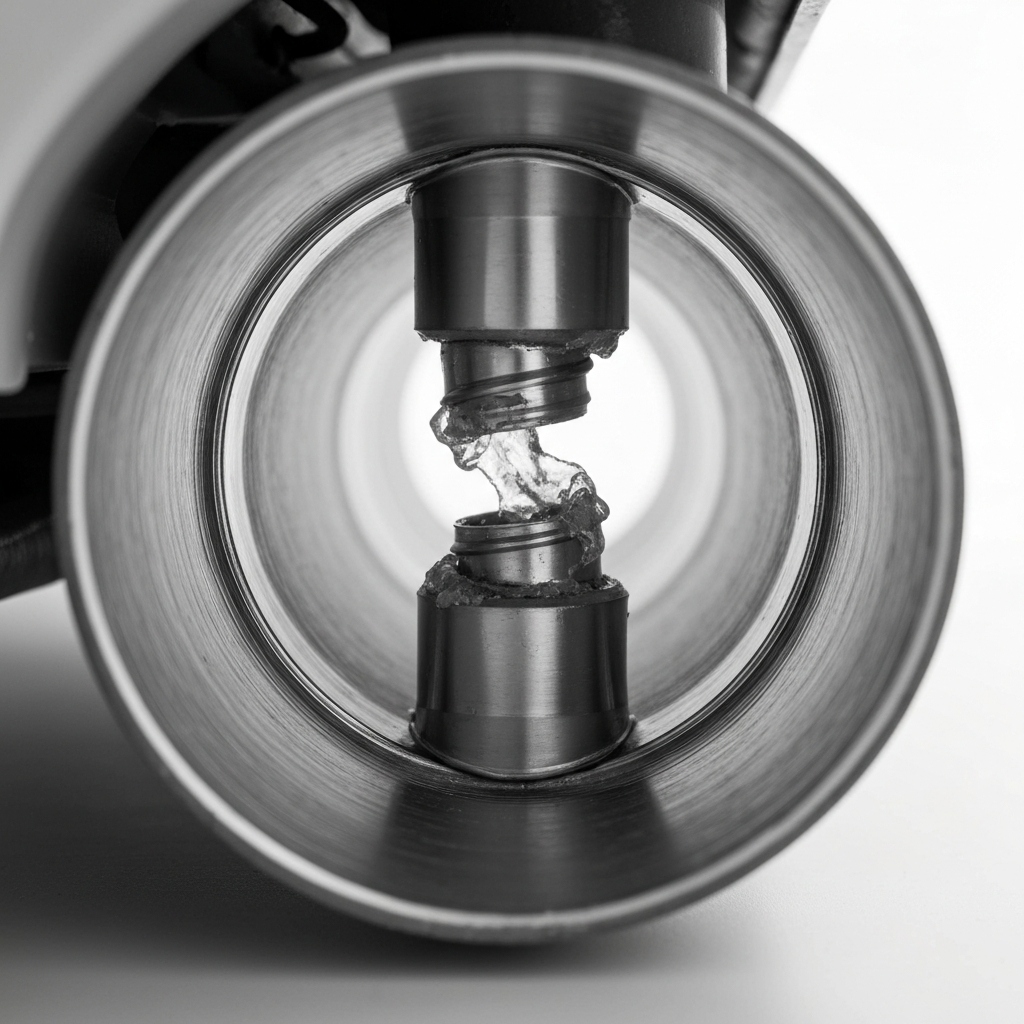
Think of your AC like a dehumidifier. As it cools the air, it also pulls moisture out of it. This water needs a place to go! Your AC has a special line, called a condensate drain line, to carry this water away, usually outside your home. Over time, dust, dirt, and even tiny mold or algae can build up inside this line. This gunk can create a blockage, stopping the water from draining properly.

Signs Your AC Drain Line is Clogged
A clogged drain line can cause a few tell-tale signs. The most obvious is water leaking around your indoor AC unit. You might also notice your AC isn’t cooling as well as it should, or it might shut off unexpectedly. Sometimes, you’ll even see a musty smell because stagnant water can lead to mold growth.
What Happens If I Don’t Fix a Clogged AC Line?
Ignoring a clogged AC drain line can lead to bigger problems. That extra moisture can damage your home’s walls and ceiling, leading to costly repairs. It can also encourage mold and mildew growth, which isn’t good for your health. Plus, a struggling AC unit uses more energy, which means higher electricity bills!
Gather Your Tools for Unclogging
Before you start, let’s get your tools ready. You won’t need anything too fancy! Here’s a simple list:
- A wet/dry vacuum cleaner (this is super helpful!)
- A small, flexible brush or a straightened coat hanger
- A funnel
- Bleach or vinegar (optional, for cleaning the line)
- Gloves and eye protection (always good to have!)
- A bucket or towels to catch any drips
How to Unclog Your AC Drain Line: Step-by-Step
Let’s get this done! Here’s how to clear that clog.
Step 1: Find Your AC’s Drain Line
The condensate drain line is usually a PVC pipe that goes from your indoor AC unit (often in the attic, basement, or a closet) to the outside of your house. Look for a small pipe sticking out of the wall near your outdoor AC unit, or follow the pipe from your indoor unit.
Step 2: Turn Off Your AC
Safety first! Before you do any work, turn off your air conditioner at the thermostat. It’s also a good idea to turn off the power to the unit at your home’s electrical panel to be extra safe.
Step 3: Locate the Access Point
You’ll need to access the drain line near your indoor unit. Sometimes there’s a cap or a T-shaped fitting. If you can’t find one, you might need to access the line where it exits your home.
Step 4: Use a Wet/Dry Vacuum (The Easiest Way!)
This is where your wet/dry vacuum shines. Seal the end of the drain line with the vacuum hose. You can use a towel or a special adapter to get a good seal. Turn on the vacuum for a few minutes. This powerful suction can often pull out the clog!
Step 5: Manually Clear the Line (If Needed)
If the vacuum didn’t do the trick, you can try to gently push a flexible brush or a straightened coat hanger into the line. Be careful not to force it too hard, as you don’t want to damage the pipe.
Step 6: Flush the Line (Optional but Recommended)
Once the clog is clear, it’s a good idea to flush the line. You can pour about a cup of a 50/50 mix of bleach and water, or straight vinegar, down the access point. This helps kill any mold or algae that might be growing. Wait about 30 minutes, then flush with clean water. You can use your wet/dry vacuum again to suck out any remaining water.
Step 7: Restore Power and Test
Once you’re done, put any caps back on and turn your AC back on at the thermostat and the electrical panel. Let it run for a bit and check to make sure water is draining properly outside and there are no leaks.
Preventing Future Clogs
Want to avoid this problem in the future? Here are some simple prevention tips:
- Regular Cleaning: Pour a cup of vinegar or a bleach/water mix down the drain line every few months.
- Check the Drain Pan: Make sure the pan under your indoor unit is clean and free of debris.
- Change Air Filters: A dirty air filter can push more dust and debris into your system, eventually reaching the drain line.
- Consider a Float Switch: You can have a professional install a float switch that will shut off your AC if the drain line clogs, preventing water damage.
When to Call a Professional
Most of the time, you can handle a clogged AC line yourself. But if you try these steps and still can’t clear the clog, or if you’re uncomfortable working on your AC system, it’s always best to call a qualified HVAC technician. They have the tools and expertise to handle tougher clogs and can check your system for other potential issues.
Understanding AC Cooling Power
When choosing or understanding your AC, you’ll hear about BTUs (British Thermal Units). This is a measure of how much heat an air conditioner can remove from a room. The higher the BTU number, the more powerful the cooling. It’s important to match the BTU to your room size for efficient cooling.
| Room Size (sq. ft.) | Recommended BTU Capacity |
|---|---|
| 100-150 | 5,000 BTU |
| 150-250 | 6,000 BTU |
| 250-350 | 8,000 BTU |
| 350-450 | 10,000 BTU |
| 450-550 | 12,000 BTU |
| 550-700 | 14,000 BTU |
| 700-1000 | 18,000 BTU |
For more detailed information on choosing the right size AC for your home, check out Energy.gov’s guide on room air conditioners.
Frequently Asked Questions About AC Drain Lines
Here are some common questions beginners have:
Q: How often should I clean my AC drain line?
A: It’s a good idea to give it a flush every 3-4 months, especially before and after the cooling season. Prevention is key!
Q: Can I use a regular vacuum cleaner?
A: No, a regular vacuum won’t have the suction power, and it’s not designed for wet use. Stick to a wet/dry vacuum!
Q: What if I see mold in the drain pan?
A: Clean it thoroughly with a diluted bleach solution. If mold is extensive, it’s a good idea to have a pro check for underlying moisture issues.
Q: My AC is making weird noises. Could it be the drain line?
A: Sometimes a clogged line can cause gurgling sounds, but other noises might point to different issues. If you’re unsure, it’s best to ask a technician.
Q: Is pouring bleach down the drain safe?
A: A diluted bleach solution (50/50 with water) is generally safe for the PVC pipes. Just make sure to use it sparingly and flush well with water afterward. Vinegar is a gentler alternative.
Q: How do I know if my AC is actually low on refrigerant?
A: If your AC isn’t cooling well and you’ve ruled out other issues like a clogged drain line or dirty filter, it might be low on refrigerant. This is a job for a professional, as refrigerant needs special handling.
Q: What’s the difference between a central AC and a window unit?
A: Central AC cools your whole house using ducts, while a window unit cools a single room. Central AC is more powerful but also more complex and expensive to install.
Keep Your Cool with Simple AC Care
See? Taking care of your air conditioner doesn’t have to be complicated. By understanding simple things like unclogging your AC line, you can keep your system running smoothly and efficiently. A little bit of regular maintenance goes a long way in saving you money and keeping your home comfortable.
Stay cool and comfortable!
