
Portable AC units can become noisy due to dirt buildup, mechanical wear, or poor installation. Common culprits include clogged air filters, loose components, and improper hose placement. Most noise issues are fixable with simple maintenance or adjustments.
Have you ever turned on your portable AC only to be met with a loud hum, buzz, or even a grinding sound? You’re not alone. Many homeowners and renters experience this frustrating issue—especially during peak summer months when you really need that cool breeze. While portable air conditioners are praised for their convenience and flexibility, they’re often criticized for being louder than expected. But why portable AC making loud noise? The answer usually lies in a combination of design limitations, user error, and normal wear and tear.
Unlike window units that sit securely in place, portable ACs are designed to move from room to room. This mobility comes with trade-offs—one of the biggest being noise. Most models operate at 50–60 decibels, which is comparable to a normal conversation or background music. However, when something goes wrong, that number can spike dramatically, turning your sanctuary into a noisy nuisance. Understanding the root causes helps you fix the problem fast—or better yet, prevent it altogether.
Key Takeaways
- Dirty or clogged air filters restrict airflow and force the motor to work harder, increasing noise levels.
- Loose mounting brackets or unstable placement cause vibrations that translate into audible rattling or humming.
- Worn-out fan blades or motor bearings create grinding or whirring sounds over time.
- Improperly installed exhaust hose can lead to air leaks and pressure imbalances, resulting in louder operation.
- Refrigerant or drainage blockages may cause gurgling, hissing, or bubbling noises from the unit.
- Age and general wear naturally degrade performance and increase operational noise.
- Choosing a low-noise model from the start reduces the chance of loud operation (see our guide on Best Portable Ac With Lowest Noise Level).
Quick Answers to Common Questions
Why is my portable AC suddenly louder than before?
Sudden increases in noise often stem from clogged filters, loose parts, or debris blocking the fan. Check and clean the filter first, then inspect for physical obstructions or misalignment.
Can a noisy portable AC affect its cooling performance?
Yes. Excessive noise usually means the unit is working harder than needed—often due to restricted airflow or mechanical strain—which reduces efficiency and increases energy bills.
Is it safe to run a loud portable AC?
It depends on the sound. Occasional hums are normal, but grinding, cracking, or burning smells indicate potential hazards. Turn off the unit and inspect or consult a pro if unsure.
Do all portable ACs make noise?
All mechanical devices produce some sound. However, modern designs aim for 50–60 dB operation. Premium models use noise-reducing features to stay below 50 dB.
How often should I clean my portable AC filter?
At least once every two weeks during active cooling seasons. In dusty or pet-heavy environments, clean weekly to maintain performance and reduce noise.
📑 Table of Contents
Common Causes of Loud Portable AC Noise
1. Dirty or Clogged Air Filters
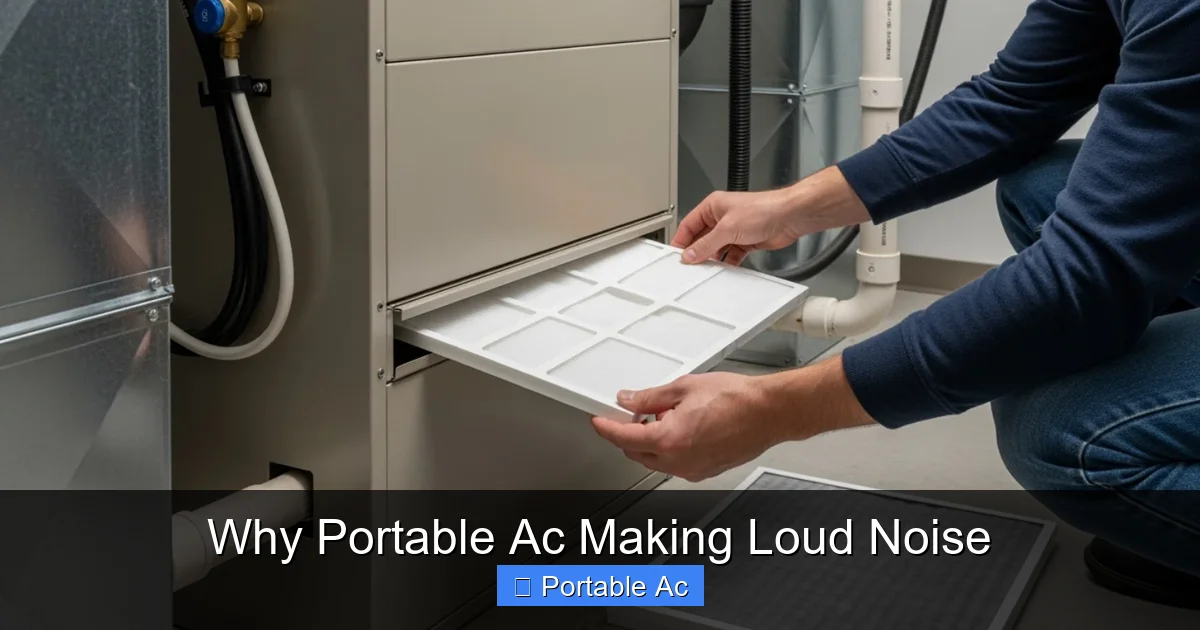
One of the most frequent reasons why portable AC making loud noise is restricted airflow. When the air filter gets covered in dust, pet hair, or debris, it forces the internal fan to spin faster to pull air through. This increased workload creates more wind noise and strains the motor, leading to higher decibel levels. Over time, this can also reduce cooling efficiency and shorten the lifespan of your unit.
Regular cleaning of the filter every two weeks during heavy use can make a huge difference. Simply remove the filter, rinse it under warm water, let it dry completely, and reinstall. If you live in a dusty area or have pets, consider upgrading to a reusable electrostatic filter for easier maintenance.
2. Loose Mounting or Uneven Placement
Portable ACs aren’t bolted down like central systems—they sit on floors, desks, or tables. If the unit isn’t level or lacks proper cushioning, vibrations from the compressor and fan transmit directly into the surface below. This results in rattling, buzzing, or thumping sounds that grow worse as the unit runs.
To minimize vibration, always place your portable AC on a flat, stable surface. Use rubber mats or anti-vibration pads if possible. Some models come with adjustable feet—make sure they’re all touching the floor evenly. Avoid placing the unit near walls or furniture that could amplify resonance.
3. Worn Fan Blades or Motor Issues
The fan is the heart of any AC system. As portable units age, fan blades can warp slightly or accumulate grime, throwing off balance and creating wobble. A wobbly fan spins unevenly, producing rhythmic thumping or grinding noises. Meanwhile, motor bearings degrade over time, especially if the unit is used continuously without rest cycles.
If you hear a consistent grinding or metallic screech, don’t ignore it. Continuing to run a damaged motor risks permanent failure. In many cases, replacing the fan assembly or contacting the manufacturer for service is necessary. For budget-conscious users, checking out our picks for Best Portable Ac Under $400 Dollars includes models known for durable components.
4. Improper Exhaust Hose Setup
Portable ACs expel hot air through an exhaust hose connected to a window or vent. If the hose is kinked, blocked, or poorly sealed, it creates backpressure inside the unit. This imbalance forces the compressor to work harder, generating extra noise. Additionally, if the hose isn’t secured tightly at either end, air can escape around the connection point—adding hissing or whistling tones.
Always route the hose straight without sharp bends. Use clamps to ensure a snug seal between the hose and the window kit. For rooms without windows, consider a portable AC that works without a hose, which eliminates this entire source of noise entirely.
5. Refrigerant Leaks or Drainage Problems
While less common, refrigerant leaks or clogged condensate lines can produce unusual sounds like gurgling, bubbling, or even a drip-ping rhythm. When water can’t drain properly, it backs up into the evaporator coil, causing trapped steam to release in bursts. Similarly, low refrigerant levels due to leaks make the compressor cycle on and off frequently—each cycle brings a loud click or hum.
Check your drain pan and clear any visible blockages. If you suspect a refrigerant issue, contact a licensed technician—DIY fixes aren’t recommended due to environmental regulations and safety concerns.
How to Diagnose the Source of the Noise
Listen Closely to Identify the Sound
Not all noises mean disaster. A steady hum might just indicate the fan running at high speed. But a sudden squeal, bang, or repetitive clunk tells you something’s wrong. Try turning the unit off and restarting it—sometimes a temporary glitch causes odd sounds. Also, note whether the noise changes when you adjust settings like fan speed or mode.
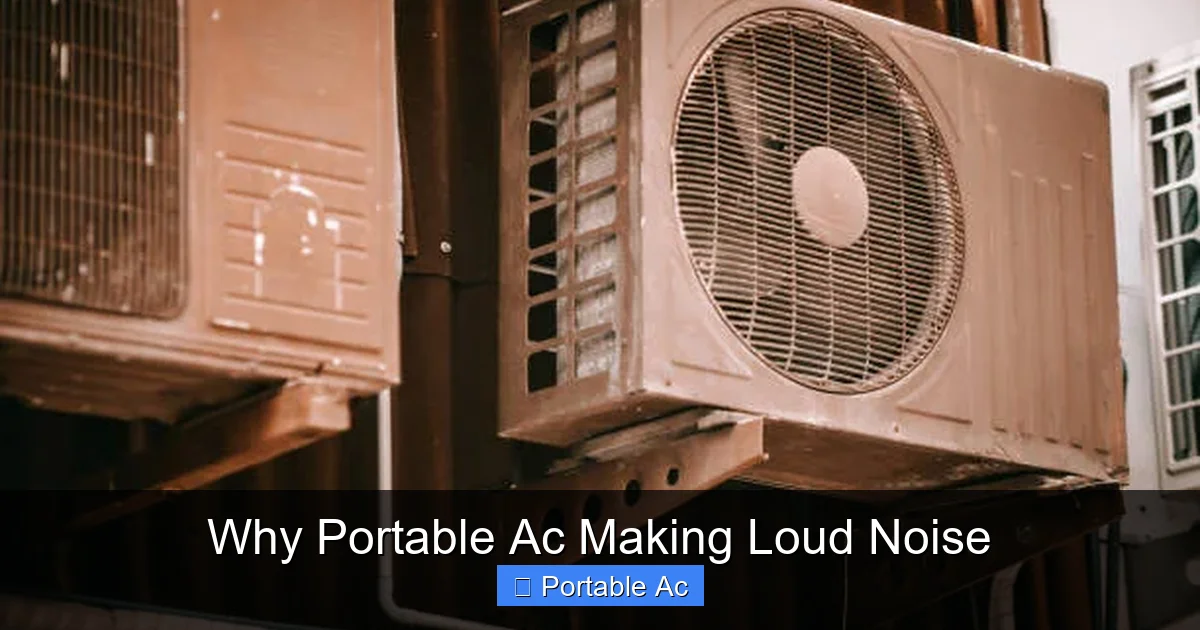
Visual guide about Why Portable Ac Making Loud Noise
Image source: nighthelper.com
Perform a Visual Inspection
Turn off the power and unplug the unit before opening the front panel. Look for obvious signs: dust bunnies in the filter, cracked fan blades, or loose screws. Check the hose connections and ensure nothing is obstructing airflow. If you’re unsure about internal components, avoid disassembling further unless you’re comfortable doing so.
Test Different Settings
Run the AC in different modes—cool, fan-only, dehumidify—and observe how the noise level shifts. If the sound disappears in fan-only mode, the issue likely lies with the compressor or refrigerant system. If it persists across all modes, focus on fan or mechanical components.
Practical Tips to Reduce Portable AC Noise
Use Noise-Reducing Accessories
Several aftermarket solutions can dampen noise. Silicone window seals reduce gaps where air escapes and absorb vibrations. Acoustic foam panels placed near the unit can soften high-frequency sounds. Some users even build custom enclosures lined with soundproofing material—just ensure adequate ventilation to avoid overheating.
Upgrade to a Quieter Model
If your current unit is old or consistently loud, investing in a newer, quieter model may be worth considering. Modern portable ACs use brushless DC motors and advanced insulation techniques to stay under 50 dB. Our comprehensive review of Best Portable Ac For Low Noise Use highlights top performers engineered for minimal disturbance.
Maintain Regular Cleaning Schedule
Prevention beats cure. Set a monthly reminder to clean filters, wipe coils, and check hose integrity. A well-maintained unit runs smoother and quieter. For guidance on tools and techniques, explore our guide to the Best Portable Ac Cleaning Kit.
When to Call a Professional
While many noise issues are DIY-friendly, some require expert intervention. If you hear electrical arcing, burning smells, or persistent grinding that worsens over time, shut off the unit immediately and call a certified HVAC technician. These symptoms suggest serious internal damage or wiring faults that pose safety risks.
Visual guide about Why Portable Ac Making Loud Noise
Image source: cdn.prod.website-files.com
Also, if your portable AC is still under warranty, avoid unauthorized repairs—doing so may void coverage. Instead, reach out to the manufacturer’s support team. They can troubleshoot remotely or send a replacement part if available.
Conclusion
So, why portable AC making loud noise? It boils down to airflow restrictions, mechanical wear, improper setup, or environmental factors. Most causes are manageable with routine maintenance and smart placement. By keeping filters clean, ensuring stable positioning, and addressing hose issues promptly, you can enjoy quieter operation and extend your unit’s life.
Remember, no portable AC is perfectly silent—but they shouldn’t drown out your favorite shows or disturb your sleep. If yours has crossed the line into excessive noise, take action now before it becomes a bigger headache. And when shopping for a new unit, prioritize models labeled “quiet” or “low decibel” to future-proof your comfort.
Frequently Asked Questions
Why does my portable AC make a loud buzzing sound?
Buzzing often comes from loose mounting brackets or electrical components vibrating. Ensure the unit sits level and secure, and tighten any visible screws or bolts.
Can a clogged drain tube cause loud noises?
Yes. A blocked condensate line traps water, creating gurgling or bubbling sounds as steam releases. Clear the tube gently with distilled vinegar or compressed air.
Is it normal for a portable AC to hum loudly?
A constant hum is typical during operation, especially at high speeds. However, if the hum is unusually intense or accompanied by shaking, investigate for underlying issues.
Should I replace my portable AC if it’s very noisy?
Only if repairs are cost-prohibitive or the unit is nearing end-of-life. Otherwise, fixing minor issues like filter cleaning or hose realignment often restores quiet operation.
Are there portable ACs designed specifically for quiet operation?
Absolutely. Brands like LG, Frigidaire, and De’Longhi offer models optimized for low noise. See our picks for Best Portable Ac With Lowest Noise Level for top contenders.
Can I add soundproofing material around my portable AC?
Yes, but carefully. Use non-flammable, breathable materials like acoustic foam or rubber mats. Never fully enclose the unit—airflow must remain unrestricted to prevent overheating.
