

Checking your AC suction pressure is key to good cooling. It tells you if your system has enough refrigerant (the special liquid that cools your air). Low pressure often means a leak, which hurts performance. We will walk through checking this simply, so you can keep your AC happy and cool.
Is your air conditioner blowing warm air? Are your energy bills climbing higher every month? Many homeowners feel lost when dealing with AC parts. Things like “suction pressure” sound super technical. Don’t worry about that big word today. I am Jack from ACReviewHub.com, and I promise to break this down for you. We are going to make checking your AC as easy as checking your tire pressure.
What Exactly is AC Suction Pressure? (The Easy Explanation)
Think of your AC like your body’s cooling system. It uses a special liquid called refrigerant to move heat outside. This refrigerant moves around in a circle.
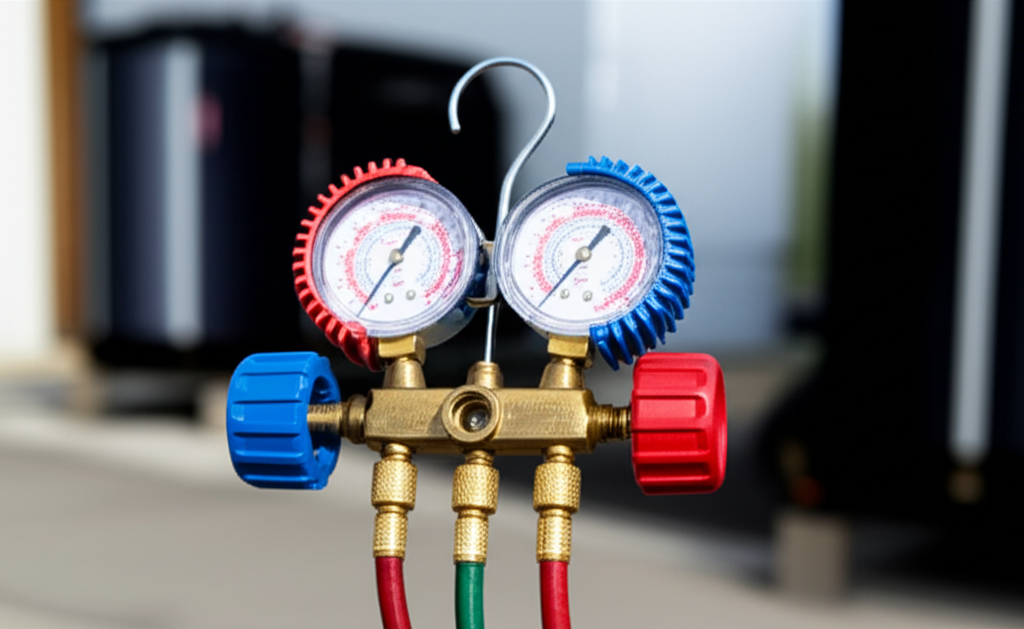
Suction pressure is the pressure on the side of the AC system where the cold gas comes back to the compressor. This is the “low side.” It’s like the vacuum that pulls the cold air back in to get cooled again.
If this pressure is too low, it means you might not have enough refrigerant. If it’s too high, something else might be blocking the flow. Getting this number right keeps your AC running smoothly and efficiently.
Why Beginners Must Check Suction Pressure
Knowing the right suction pressure helps you catch problems early. Early fixes save you big money later on. You can avoid a total system breakdown during the hottest week of summer.
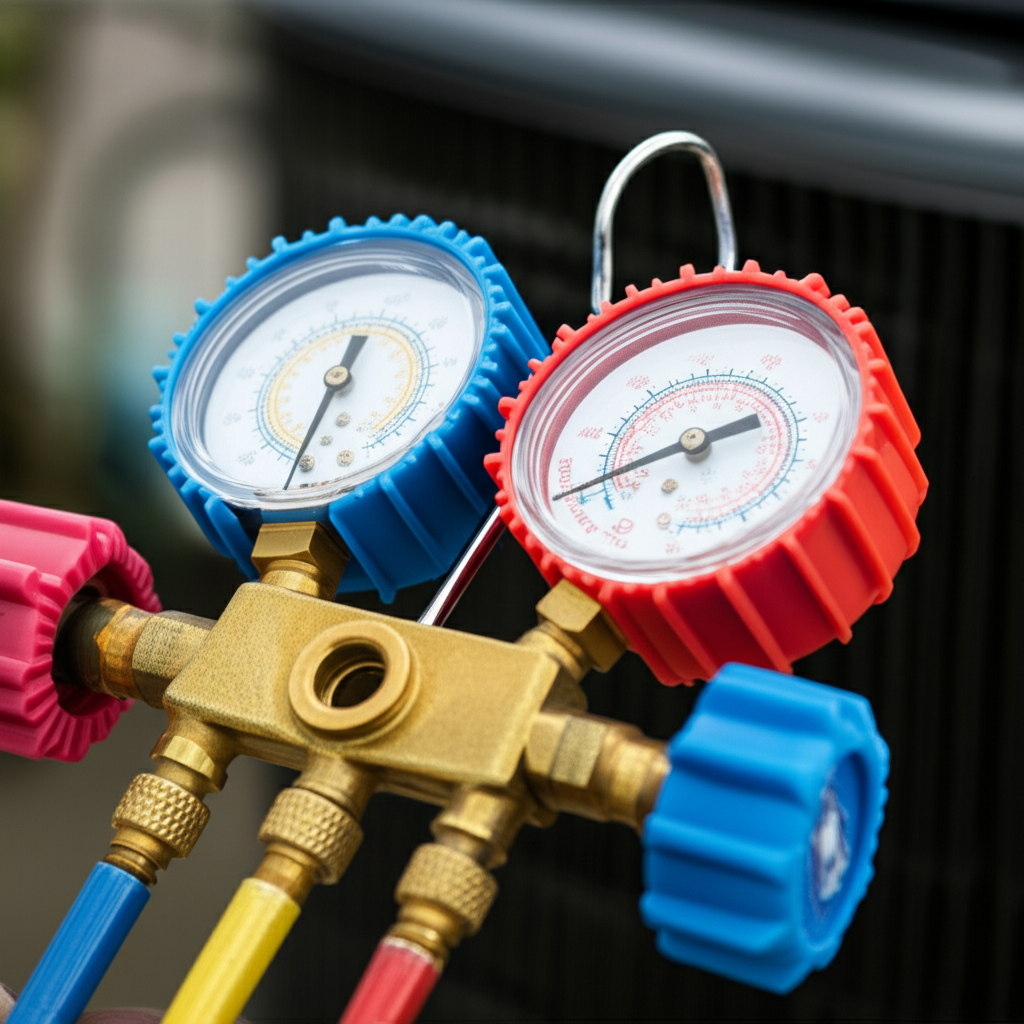
This check helps diagnose common issues. Is the AC not cooling well because of a simple clog, or a major leak? The pressure reading gives us the first big clue.
When Should I Check My AC Suction Pressure?
You should check this pressure when you notice certain cooling problems. It is not a weekly chore, but more of a diagnostic step.
- The air coming out is not cold enough.
- Your energy bill suddenly jumped up for no clear reason.
- The outside unit (condenser) seems to be running constantly.
- The copper lines near your outdoor unit are covered in ice.
The Tools You Need to Measure Pressure
To measure pressure safely and accurately, you need a special tool. This tool is called a manifold gauge set. It connects to the service ports on your AC unit.
For beginners, this might seem like a professional tool. It is, but many DIY-friendly kits are available online or at hardware stores. They come with easy-to-read gauges.
Here are the essential tools:
- Manifold Gauge Set (Low side is usually blue, high side is red).
- Safety Glasses (Always protect your eyes when working near pressurized systems).
- Thermometer (To check the air temperature for comparison).
- Refrigerant Chart (To compare your reading to the correct target number).
Step-by-Step: How to Check AC Suction Pressure Safely
Safety first! Always wear your safety glasses. Do not touch the copper lines directly, as they can get very cold.
Step 1: Prepare Your AC Unit
Turn your air conditioner on to the “Cool” setting. Set the thermostat to the lowest temperature you can manage (like 60°F or 15°C). Let the unit run for at least 15 minutes. This ensures the system is fully running and stable.
Step 2: Locate the Low-Side Port
Your outdoor unit has two copper lines running to it. One line is small and insulated (the liquid line). The other line is larger and usually not insulated (the suction line).
The low-side service port is always on the larger, suction line. It looks like a small cap or valve cover. Remove the cap carefully.
Step 3: Connect the Blue (Low-Side) Gauge
Take your manifold gauge set. The blue hose connects to the low side. Screw the blue hose connector onto the suction service port you just uncovered. Make sure it is tight, but do not over-tighten.
Step 4: Read the Suction Pressure
Look at the blue gauge on your manifold set. This reading is your AC suction pressure, usually measured in Pounds per Square Inch (PSI).
While the gauge is connected, you can also check the temperature difference across the indoor coil. This helps confirm your reading makes sense.
Step 5: Disconnect and Recap
Once you have your reading, carefully unscrew the blue hose from the service port. Immediately replace the protective cap tightly. This keeps dirt out of the system.
Turn off the AC system or set the thermostat higher to stop the test.
Interpreting Your Suction Pressure Reading
This is where the magic happens. What does that PSI number actually mean for your cooling comfort?
The correct suction pressure changes based on the outside temperature and the type of refrigerant your system uses (like R-22 or R-410A). You must check the manufacturer’s specification chart for your exact AC model.
However, here is a very general guideline for a typical home system on a warm day (around 80°F outside):
| Reading Type | Approximate PSI Range (General Guide) | What It Usually Means |
|---|---|---|
| Too Low | Below 50 PSI | Low refrigerant charge (leak) or a clogged filter/blower issue. |
| Ideal Range | 55 – 75 PSI | The system is likely operating correctly. |
| Too High | Above 80 PSI | Overcharged with refrigerant or a problem with the outdoor fan. |
For more detailed charts specific to your unit, always check the manual or consult the U.S. Department of Energy maintenance guides.
Troubleshooting Common Suction Pressure Issues
If your reading is outside the ideal range, don’t panic. Here is what those numbers often point to:
| Symptom | Suction Pressure Reading | Most Likely Cause |
|---|---|---|
| Weak Cooling, Icing Lines | Very Low | Refrigerant leak (needs professional leak repair and recharge). |
| System Running Constantly | Slightly Low | Dirty air filter blocking airflow to the evaporator coil. |
| No Cooling, System Seems Stuck | Very High or Very Low (Compressor Off) | Electrical failure or a severe blockage in the line set. |
If you find your pressure is very low and you suspect a leak, you must call a certified technician. Adding refrigerant without fixing the leak is temporary and costs you money.
Simple Checks You Can Do Right Now (No Gauges Needed)
Before you even touch a gauge, check these easy things. They often solve cooling problems that look like pressure issues:
- Clean the Filter: A clogged air filter starves the AC of air, making the suction pressure drop dramatically. Change it monthly!
- Check the Thermostat: Make sure it is set to “Cool” and not “Fan Only.”
- Clear Debris Outside: Ensure the outdoor unit has three feet of clear space around it. Plants or dirt block airflow.
- Inspect the Breaker: Make sure the AC circuit breaker hasn’t tripped.
Frequently Asked Questions for New AC Owners
Q1: Do I need to check the high side pressure too?
A: Yes, professionals always check both sides (high and low) together. For a simple home check, the low side gives you the most immediate clue about refrigerant levels.
Q2: Can I add refrigerant myself if the pressure is low?
A: It is highly discouraged. Refrigerant needs to be weighed in precisely. Overcharging is just as bad as undercharging. Call a pro for any charge adjustment.
Q3: How often should a professional check my pressures?
A: At least once a year, during your annual preventative maintenance checkup.
Q4: What is the normal suction pressure when the outside temperature is 100°F?
A: It will be higher than on a 75°F day. Always refer to the sticker inside your outdoor unit panel for the most accurate operating pressures based on ambient temperature.
Q5: My gauge says 65 PSI, but my friend’s AC runs at 70 PSI. Is mine broken?
A: Not necessarily. Different AC models and refrigerants have different ideal ranges. As long as you are close to the number listed on your unit’s spec sticker, you are likely fine.
Q6: I connected the gauge and it shows zero pressure. What now?
A: Zero pressure usually means the system is completely off, or there is a major blockage/vacuum. Do not try to add refrigerant—call a qualified HVAC technician immediately.
Wrapping Up Your AC Health Check
See? Checking your AC suction pressure is really just about understanding one key number that tells you if your cooling system has enough “juice” to work. It moves from being a confusing technical term to a simple pressure reading.
Remember, consistency is your best friend in AC care. Keep those filters clean, keep the outside unit clear, and use simple checks like pressure readings when things feel “off.” You’ve got this, and you’ll save money keeping your system running like a champ.
