
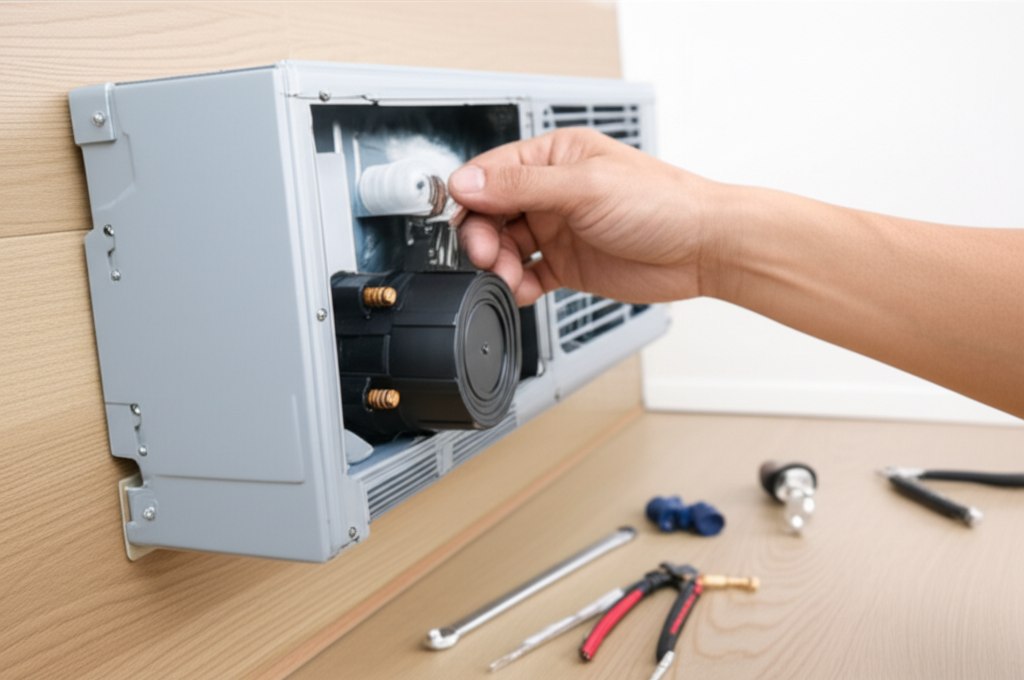
If your air conditioner is leaking water or shutting off too soon, the AC drain pump might be clogged. To fix this urgently, turn off the power, find the pump, disconnect the hose, and use a small brush or wet/dry vac to gently clear out the gunk. Flush with vinegar, then reconnect everything.
Is your AC suddenly dripping water onto your floor? Maybe it won’t stay on long enough to cool your home down. These are common headaches when your air conditioner gets confused. Don’t worry; these problems often have very simple fixes you can handle yourself. We are here to make AC maintenance easy, not scary.
Today, we are tackling the AC drain pump. This little part is super important for removing the water your AC naturally makes. We will walk through exactly how to clean it safely. By the end of this guide, you will feel like an AC pro ready to tackle this fix fast!
Why Your AC Drain Pump Needs Urgent Cleaning
Your air conditioner cools your house by removing heat and humidity. This moisture turns into water, which needs a way to escape. This is where the drain line and the condensate pump come in.
A condensate pump moves that water out of your unit, especially if your AC is in a basement or far from a drain. When this pump clogs, water backs up. This backup causes leaks or triggers a safety switch that shuts your AC off.
Ignoring a slow drain is like ignoring a leaky faucet; it only gets worse. Cleaning it now saves you from expensive water damage later. Let’s get that water moving again!
Understanding the AC Drain Pump (The Water Mover)
Think of the drain pump as a tiny helper responsible for water removal. It usually sits near your indoor unit (the air handler).
When the water level gets too high in the collection pan, the pump turns on automatically. It pushes the water out through a small plastic pipe, usually leading outside or to a floor drain.
Clogs happen because dust, mold, algae, and sludge build up inside the pump or the connecting lines. It’s just like gunk building up in a kitchen sink drain.
Step-by-Step: Safely Cleaning Your AC Drain Pump
Safety first! Always turn off the power before poking around inside or near your AC equipment. This is the most crucial step.
Step 1: Shut Down the Power
Go to your main electrical panel (breaker box). Find the breaker labeled for your furnace or air handler and switch it to the OFF position. Double-check that the unit is truly off.
Step 2: Locate the Condensate Pump
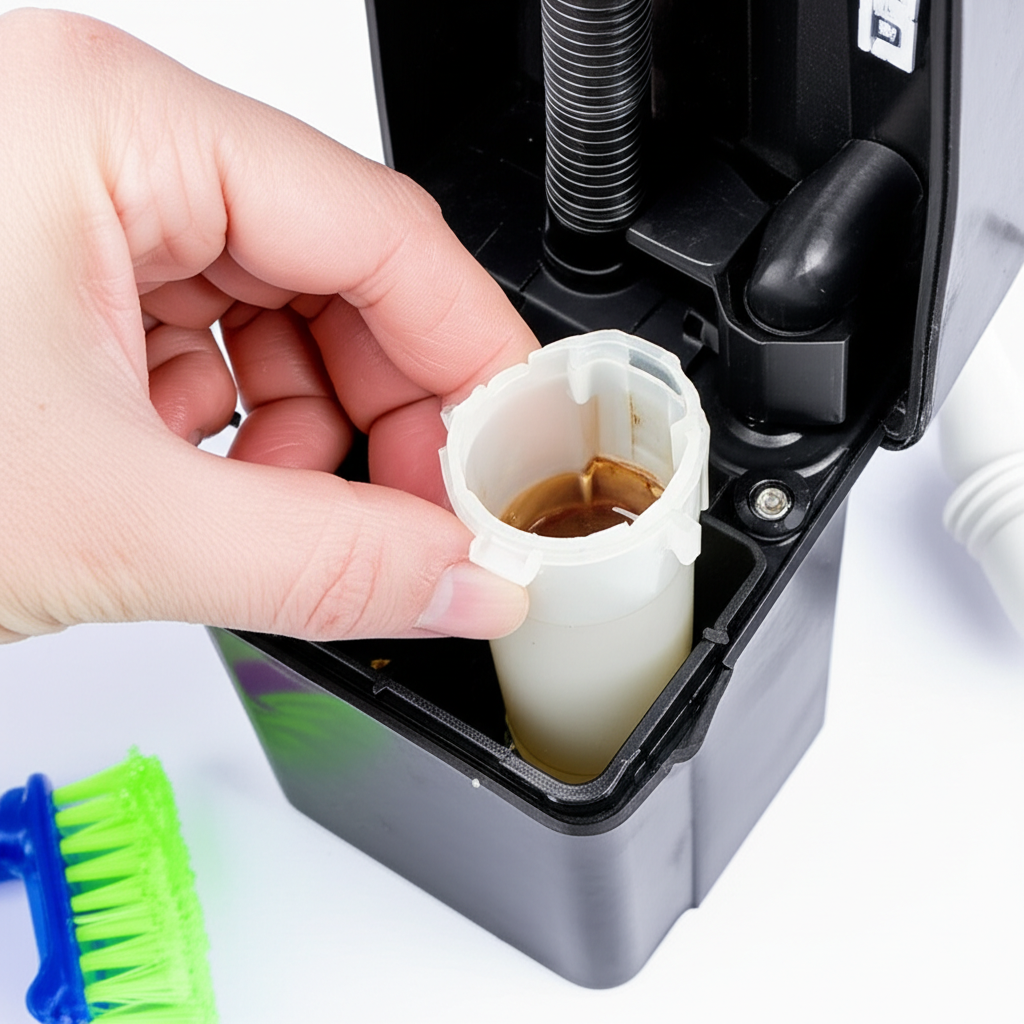
The pump is usually a small plastic box, often white or grey, located near your indoor furnace or air handler unit. It will have a couple of small hoses or pipes connected to it.
Step 3: Disconnect the Discharge Line
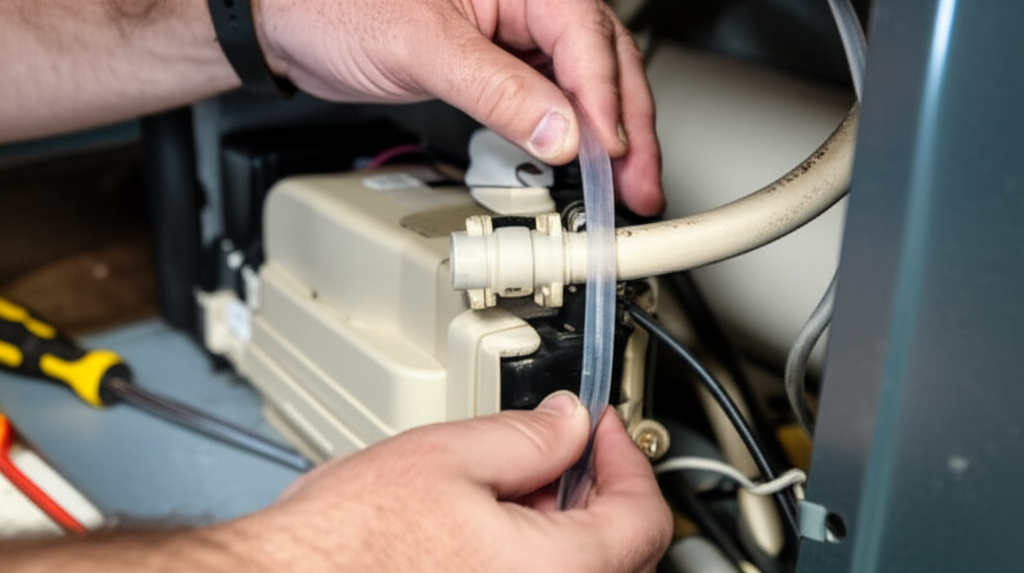
This is the pipe that pushes the water away from the pump. Gently disconnect this hose from the pump outlet. Have a towel ready because a little water might spill out.
Step 4: Clear the Clog Manually
Use a wet/dry vacuum cleaner if you have one. Place the hose attachment over the open discharge line opening on the pump. Run the vacuum for a minute or two. This often sucks out the blockage right away.
If you don’t have a wet/dry vac, use a thin, flexible wire (like a pipe cleaner or a stiff piece of plastic coat hanger) to gently probe the opening and break up any visible gunk.
Step 5: Flush the System with Vinegar
Vinegar is a great, safe cleaner for mold and algae. Do NOT use harsh chemicals like bleach, as they can damage your system components over time.
- Mix a solution of 1 part white vinegar to 4 parts water.
- Carefully pour this mixture directly into the drain pan inlet of the pump (where the water usually flows in).
- Wait about 15 minutes to let the vinegar work its magic.
Step 6: Reconnect and Test
Securely reattach the discharge hose to the pump outlet. Turn the power back on at the breaker box. Run your AC for about 15–20 minutes. Watch the pump—you should see it cycle on and off, and water should move out of the discharge line.
Preventative Care: Keeping the Pump Healthy
A little regular care prevents these urgent fixes. Making this a habit will save you time and stress.
| Maintenance Task | Frequency | Why It Matters |
|---|---|---|
| Check Drain Pan for Water | Monthly (during cooling season) | Indicates a blockage or pump failure. |
| Flush Drain Line/Pump | Every 3 Months | Kills mold and algae buildup before it clogs. |
| Check AC Filter | Every 30–90 Days | A dirty filter causes the coil to freeze, leading to excess water. |
For more official tips on keeping your whole system running smoothly, check out guidance from the U.S. Department of Energy on saving energy with your AC: Energy.gov AC Tips.
When to Call the AC Expert
Sometimes, the problem is bigger than a simple clog. If you’ve cleaned the pump and the issue continues, it’s time to call a professional technician.
Here are signs that you need expert help:
- The pump runs constantly but no water comes out of the discharge line.
- You smell a strong burning odor when the pump tries to start.
- Water is leaking from the main indoor unit cabinet, not just the pump area.
- The safety switch trips immediately, even after cleaning.
Experts have special tools, like nitrogen gas or professional augers, to clear deep pipe blockages that DIY methods can’t reach. For more technical details on condensate issues, the professionals at ASHRAE provide industry standards.
Troubleshooting Common AC Leaks and Shutdowns
If your AC is acting up, here is a quick chart to see if the drain pump is the main suspect.
| Symptom | Most Likely Cause | Urgent Fix Required? |
|---|---|---|
| AC unit suddenly shuts off and won’t restart. | Pump safety switch tripped due to high water level (clog). | Yes, clean the pump immediately. |
| Water dripping from the ceiling near the unit. | Major backup in the primary drain line. | Yes, check the pump and main line. |
| AC runs but doesn’t cool well. | Usually a low refrigerant or dirty filter issue. | Not directly the pump, but check the filter first. |
Frequently Asked Questions About AC Drains
Q1: Can I use bleach to clean my drain line instead of vinegar?
A: It’s best not to. Bleach can be harsh and can corrode some of the plastic or metal parts inside your system over time. Vinegar is safer and works great on the typical mold that forms.
Q2: How often should I clean the pump?
A: If you use your AC a lot in the summer, clean it every three months as a preventative measure. If you only use it occasionally, cleaning it once before the main cooling season starts is usually enough.
Q3: What is that weird gurgling sound my AC is making?
A: Gurgling usually means air is getting trapped in the drain line, often because the water level is too high or there is a partial clog. Cleaning the pump often fixes this noise.
Q4: Can a clogged drain cause my AC to freeze up?
A: Yes! If the water backs up into the coil pan, it can cause the evaporator coil to freeze. When that ice melts, it overwhelms the drain system, causing a leak.
Q5: Do all AC systems have a condensate pump?
A: No. If your indoor unit is in the attic or on the main floor, the drain line usually uses gravity to flow water outside. Pumps are mostly needed when the unit is below the main drain outlet, like in a basement.
Taking care of your air conditioner doesn’t have to be complicated. By learning about small but mighty parts like the drain pump, you are already ahead of the game.
Keep up this simple maintenance routine, and you’ll enjoy lower energy bills and cooler, worry-free comfort all season long. Happy cooling!
