
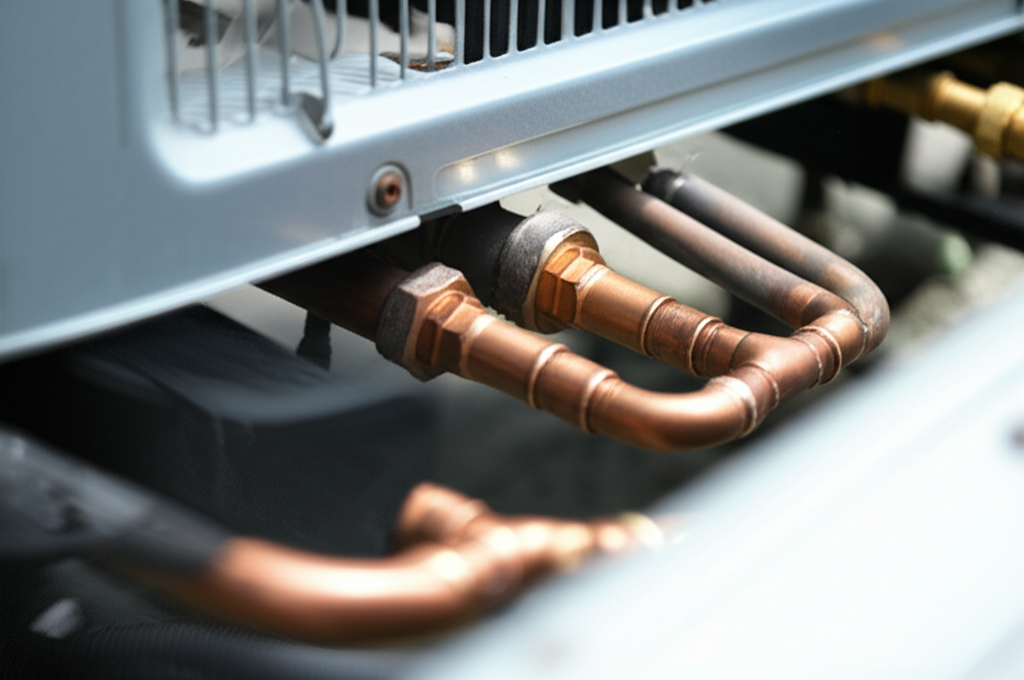
Quick Fixes for Leaky AC Pipes: Prevent copper pipe leaks by keeping your system clean, ensuring proper installation angle, and checking for corrosion regularly. A little care stops big repair bills!
Is your AC blowing warm air? Are you worried about that strange hissing sound? It’s easy to feel confused when your air conditioner acts up. These machines seem complicated, but keeping them running smoothly is simpler than you think.
Today, we are going to look closely at the copper pipes. These pipes are the lifeline of your AC system. We will show you exactly why they leak and how you can stop those leaks before they start. Get ready to feel confident about your home cooling!
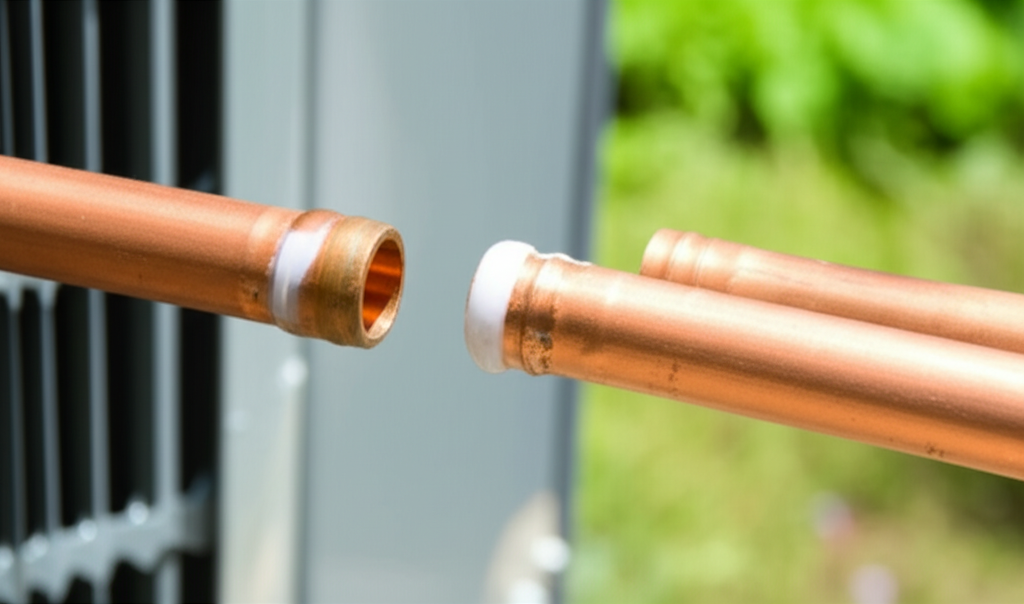
Why AC Copper Pipes Leak: The Three Main Culprits
The copper pipes move the special cold fluid, called refrigerant, around your system. If these pipes leak, your AC loses its cool power. This costs you money and comfort.
There are three main reasons these vital pipes often fail. Understanding these helps you prevent the problem.
1. Corrosion: The Silent Pipe Eater
Corrosion means the copper metal slowly rusts or wears away. This often happens because of moisture or chemicals near the pipes.
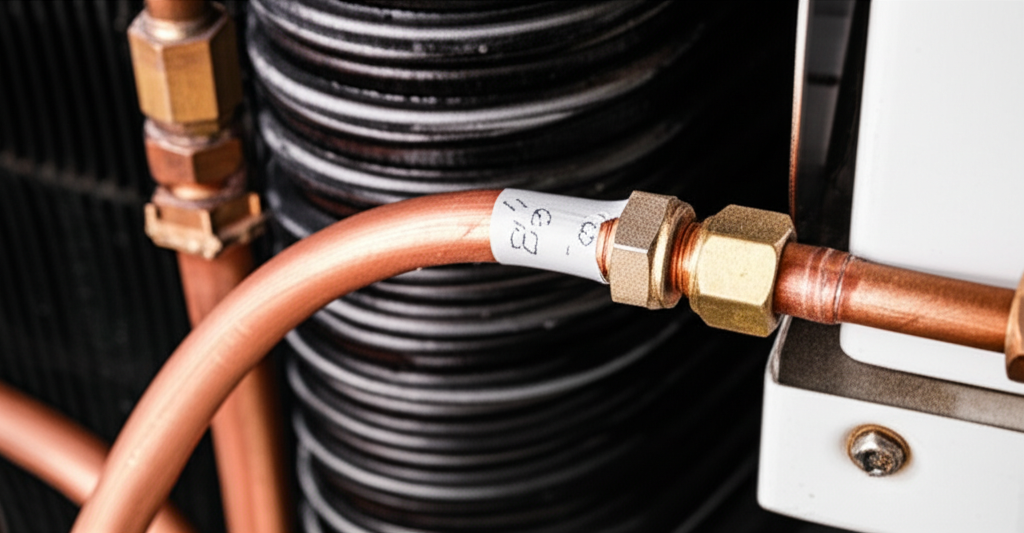
If you have hard water or certain chemicals nearby, the copper can get tiny pinholes. These holes let the cold refrigerant escape slowly over time.
We see this a lot outside, where rain and salty air attack the unit. Keeping the outdoor unit clean is key to fighting corrosion.
2. Installation Errors: The Leaks from Day One
Sometimes the problem starts right when the AC is installed. If the installer did not join the pipes correctly, a leak is almost guaranteed.
The connections need to be perfectly sealed, usually by a process called brazing. If the installer rushed this step, a small gap forms, and the refrigerant sneaks out.
This is why choosing a certified, careful technician for installation matters so much.
3. Physical Damage and Vibration
Your AC unit vibrates when it runs. This is normal. However, if the copper lines touch something hard, like the metal frame of the unit, the constant rubbing wears a hole.
Also, hitting the outdoor unit with a weed whacker or dropping something on the lines can cause instant dents or cracks.
Make sure there is space around all the pipes so they don’t bump into other parts.
Vital Fixes: How to Stop Copper Pipe Leaks Now
Preventing leaks is much cheaper than fixing them later. Here are the practical steps you can take to protect your copper lines.
Routine Cleaning and Inspection Schedule
A clean AC system is a happy, leak-free system. You need to check the coils and lines regularly, especially before summer starts.
- Clean the Outdoor Unit (Condenser): Gently spray water on the fins to wash away dirt, grass clippings, and leaves. Do this twice a year.
- Inspect the Lines: Look closely at all the copper tubing connecting the indoor and outdoor units. Do you see any green or white dusty buildup? That is often corrosion starting.
- Check Insulation: Feel the insulation wrap around the larger suction line. If it is cracked, wet, or falling off, replace it immediately. This protects the pipe from moisture and heat changes.
Ensure Proper Drainage and Leveling
Water pooling around your AC unit is a recipe for corrosion. Proper drainage is essential for long-term health.
The outdoor unit must sit level on its pad. If it tilts, water might sit against the base of the pipes instead of draining away.
If you see standing water near your outdoor unit after it rains, call a professional to check the pad leveling.
Protecting the Lines from Accidental Damage
If your AC unit is near a garden bed or lawn area, you must protect the exposed copper lines.
Use plastic or metal guards around the base of the outdoor unit. This stops lawnmowers and string trimmers from accidentally nicking the pipes.
Never let dirt or mulch pile up against the bottom of the unit, as this traps moisture against the pipes.
Understanding Refrigerant Pressure: A Pro Tip
If your AC is running, but the air isn’t cold, a slow leak might be the cause. Low refrigerant pressure often points to a leak somewhere.
Only a certified technician can safely check and recharge the refrigerant. If you suspect low performance, call them right away before the leak gets worse.
When to Call the Expert: Recognizing Serious Leaks
Some issues need a trained hand. If you see or hear certain things, don’t try a DIY fix—call your AC pro.
Here is a quick guide on what warrants an expert visit:
| Symptom You Notice | What It Usually Means | Action Needed |
|---|---|---|
| Hissing or Bubbling Sound | Refrigerant escaping under pressure | Immediate professional inspection |
| Visible Oily Residue on Pipes | Refrigerant oil is leaking out with the gas | Leak detection and repair |
| Ice Forming on Copper Lines | System is low on refrigerant due to a leak | Check refrigerant levels |
| AC Stops Cooling Suddenly | A large leak has caused pressure to drop too low | Emergency service recommended |
For more reliable information on system efficiency and maintenance, check out the tips from the Department of Energy at Energy.gov.
Common AC Maintenance Mistakes That Cause Leaks
Many homeowners accidentally cause problems by doing the wrong maintenance tasks. Let’s make sure you are avoiding these common traps.
- Over-pressurizing the System: Never try to add refrigerant yourself. Only certified pros know the safe pressure limits. Too much pressure stresses the copper joints.
- Using Harsh Cleaners: Do not spray strong chemical cleaners directly onto the outdoor unit or exposed pipes. These chemicals speed up corrosion significantly. Stick to plain water or approved coil cleaner.
- Ignoring Insulation Damage: Thinking damaged foam pipe wrap is just an ugly look? It’s not! That wrap protects the pipe from the elements, and ignoring it invites corrosion.
- Letting Debris Pile Up: Leaving grass clippings or leaves piled up against the bottom of the unit traps moisture and speeds up rust at the base of the pipes.
Taking care of your AC is all about simple, consistent habits. For general guidelines on how AC units work, the Air Conditioning Contractors of America (ACCA) offers great resources.
Frequently Asked Questions About AC Pipes
I know you might still have a few lingering questions. Here are the answers to the things I hear most often from new AC owners.
- Q1: Can you patch a small copper pipe leak?
- A: Yes, sometimes. A professional can often braze a small pinhole leak, but they must also find and fix the reason why it leaked in the first place.
- Q2: How long should my AC copper lines last?
- A: With good care, the copper lines can last 15 to 20 years, matching the life of the whole AC unit. Prevention is the key!
- Q3: Why is my outdoor pipe sweating a lot?
- A: Some condensation is normal, especially on the larger, cold suction line. Too much dripping or water pooling means the insulation is likely damaged or missing.
- Q4: Is it okay if the copper lines freeze?
- A: No! If your system freezes, turn the AC off right away. Freezing can damage the lines and cause leaks when the ice melts.
- Q5: What is the green stuff on my copper pipe?
- A: That green or white powdery substance is usually corrosion (oxidation). It means moisture has been sitting on the copper surface for too long.
Keeping your air conditioner running cool doesn’t need a giant instruction manual. It just needs a little regular attention from you.
By focusing on keeping those copper lines clean, dry, and protected from bumps, you are doing the most important work. Stay consistent with these small checks, and you will save energy and keep your home comfortable all summer long.
You’ve got this! Happy cooling!
