
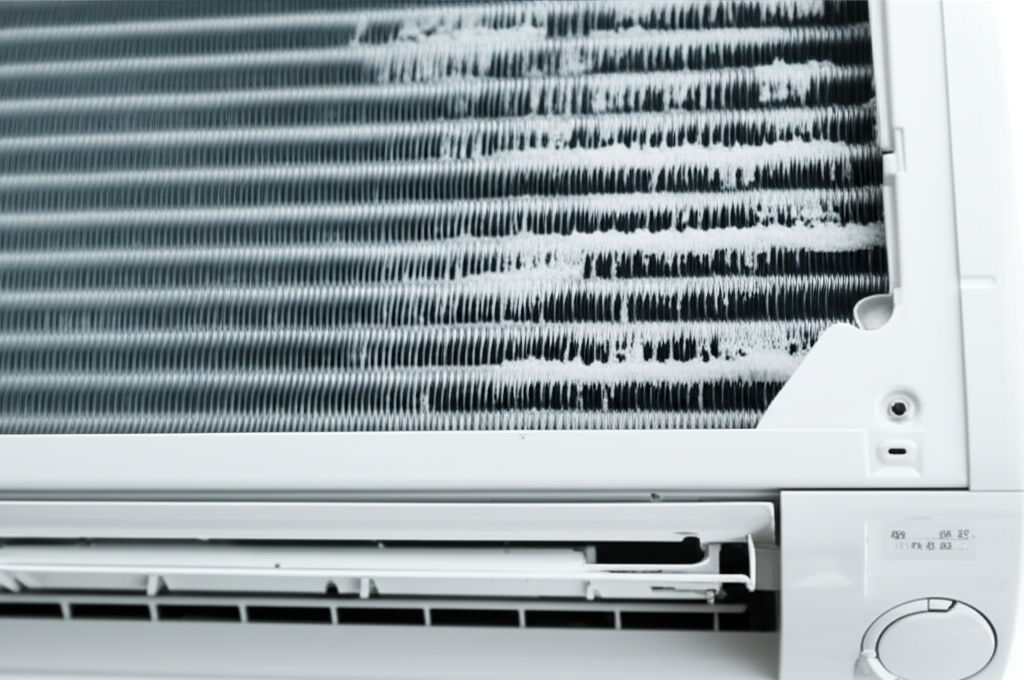
Quick Fix: If your AC coil is frozen, immediately turn the unit OFF (set the thermostat to “Off,” not just “Fan”). Let the ice melt completely, then check the air filter and clear any airflow blocks. This usually solves the immediate freeze-up.
How To Fix AC Cooling Coil Ice: Urgent Solution
Is your air conditioner blowing weak air, or maybe just warm air, even though it should be cold? It can be frustrating when your AC stops working right on the hottest day. Many times, this happens because the indoor cooling coil has turned into a giant block of ice. Don’t panic! This is a common problem, and often, you can fix it yourself.
I’m Jack from ACReviewHub.com. I want to show you exactly why this ice forms and the simple steps you can take right now to thaw it out and get back to being cool. We will break down the confusing AC parts into easy steps so you feel totally confident taking action.
Why Does My AC Coil Freeze Up? The Simple Truth
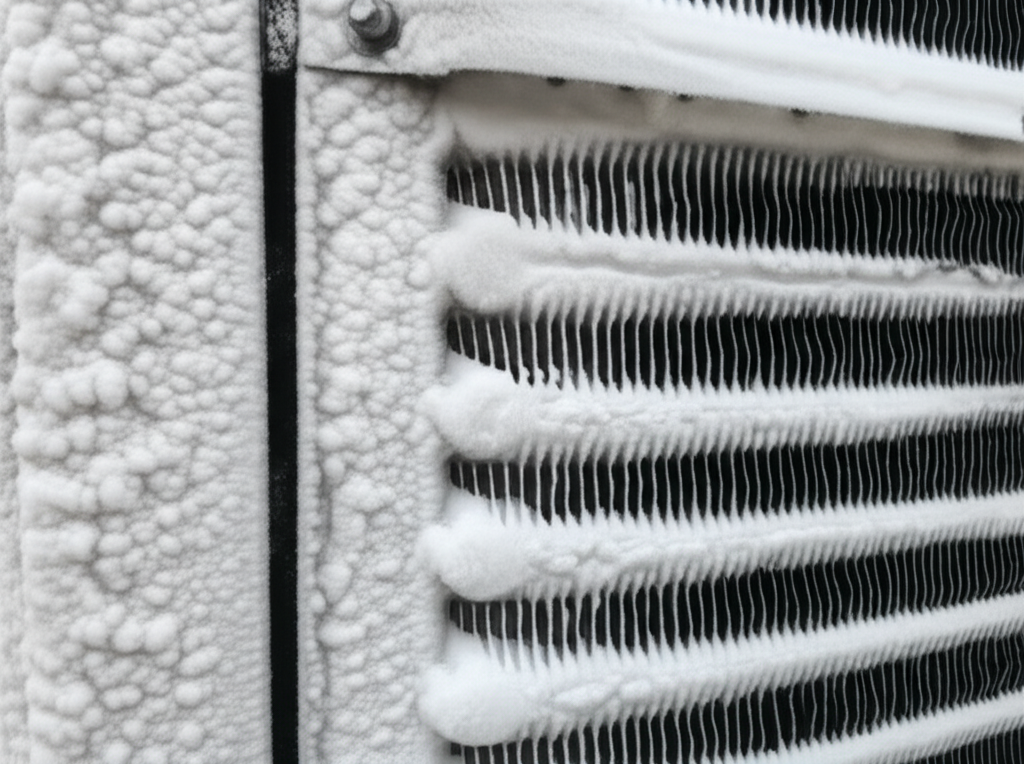
The cooling coil, also called the evaporator coil, is where your AC sucks the heat out of your house air. For this to work right, air needs to flow over it easily. When air flow is weak or the coil gets too cold, moisture in the air turns to ice instead of just dripping away.
Think of it like this: if you breathe too hard on a very cold window, your breath freezes. The AC coil is doing something similar, but it means something is blocking the normal process.
The Two Main Reasons for Ice Formation
Most ice problems boil down to two simple issues that you can check right now:
- Airflow Problem: Not enough warm air is moving across the cold coil to keep it above freezing.
- Refrigerant Problem: The system isn’t balanced, making the coil colder than it should be.
Urgent Step 1: Shut It Down and Thaw It Out
If you see ice on the indoor unit (usually inside the furnace or air handler), the very first thing you must do is stop running the compressor immediately. Running the unit while it’s frozen causes more damage and uses extra electricity.
How to Safely Turn Off the AC
This is very important. You need to stop the cooling cycle, but you can still use the fan to help melt the ice faster.
- Go to your thermostat on the wall.
- Switch the setting from COOL to OFF.
- Now, switch the fan setting from AUTO to ON.
Leaving the fan on (but the cooling off) pulls room air across the frozen coil. This speeds up the thawing process safely. This might take a few hours, depending on how thick the ice is.
Urgent Step 2: Check the Air Filter (The Most Common Fix)
A dirty, clogged air filter is the number one cause of airflow problems leading to freezing. If the filter is packed with dust, not enough warm air can reach the coil.
Simple Filter Check and Replacement Guide
Go look at your air filter right now. If it looks gray and dusty, it is blocking your air.
| Filter Condition | What to Do |
|---|---|
| Slightly Dirty | Gently vacuum the surface (if it’s a reusable filter). |
| Very Dirty/Clogged | Replace it immediately with the correct size filter. |
Remember to always use the correct filter size recommended for your system. A filter that is too restrictive can cause freezing even if it is clean.
Urgent Step 3: Clear External Airflow Obstructions
The coil needs air coming in, but it also needs air to move away from the outdoor unit (the condenser). If the outside unit is choked, the whole system pressures can cause freezing inside.
Checking the Outdoor Unit (Condenser)
Go outside and look at the large metal box with the fan on top. Make sure it is clean.
- Are there tall weeds, grass clippings, or leaves piled up against the side fins?
- Clear away any debris at least two feet in every direction from the unit.
- If the fins look dusty or oily, you can gently hose them down from the inside out (make sure the power to the unit is completely shut off at the breaker box first!).
What If the Ice Melts, But It Freezes Again? (Deeper Issues)
If you complete the thaw, replace the filter, clear the outside unit, and then turn the AC back on, but it freezes up again within a day or two, you likely have a deeper mechanical issue. At this point, it’s time to call a trusted HVAC professional.
Common Deeper Causes for Reoccurring Ice
These problems usually require special tools and training to fix safely.
- Low Refrigerant (The Leak): This is the most common reason after airflow issues. When refrigerant is low, the pressure drops, making the coil too cold. This needs professional leak detection and charging.
- Dirty Evaporator Coil: If the coil itself is coated in thick grime (not just the filter), it acts like insulation, preventing heat transfer and causing cold spots to freeze.
- Blower Motor Issues: If the indoor fan isn’t spinning fast enough, it won’t move enough air, even with a new filter.
For more detailed information on how AC systems manage heat transfer, you can check out resources from organizations like the U.S. Department of Energy at Energy.gov.
Quick Guide: When to Call a Pro vs. DIY Fix
Knowing when to stop and call for backup saves you time and prevents potential costly mistakes.
| Symptom | Recommended Action |
|---|---|
| Ice formed after a long period of neglect (dirty filter). | DIY: Thaw, clean filter, restart. |
| Ice formed quickly, even with a clean filter. | Call a Pro: Likely low refrigerant or fan issue. |
| Airflow seems weak from the vents after thawing. | Check ductwork or call a Pro if the blower seems sluggish. |
Frequently Asked Questions About AC Ice
Here are some quick answers to things I hear all the time when folks call me about frozen units.
Q: How long should I let the ice melt before turning the AC back on?
A: Wait until all visible ice is gone, and water is actively draining into the condensate pan. Usually, 3 to 4 hours is safe, but sometimes longer.
Q: Can I use a hairdryer to speed up the melting?
A: I wouldn’t recommend it. High heat can actually damage the delicate aluminum fins on the coil. Stick to the fan-only setting.
Q: My drain line is clogged, and water is leaking out. Does this cause ice?
A: Yes! If the drain pan overflows, the water level can sometimes rise up and freeze onto the coil bottom, which signals a clog that needs clearing.
Q: Is it bad for my AC to freeze up occasionally?
A: A one-time freeze due to a forgotten filter is usually fine. But if it happens often, it means the system is stressed, which shortens its life.
Q: Should I turn the AC off completely or just set the temperature really high?
A: Turn it completely OFF at the thermostat (not just setting it high). You want the compressor—the part that makes things cold—to stop running.
Q: My AC runs constantly but doesn’t cool much. What’s wrong?
A: This often means low refrigerant or a dirty condenser coil outside. Both reduce the AC’s ability to move heat effectively.
Keeping Your Cool: Simple Prevention Tips
The best fix for an iced-up coil is making sure it never happens in the first place. A little regular care goes a long way in keeping your system happy and your energy bills low.
Here is a simple routine to keep airflow perfect:
- Monthly Filter Swap: Check your air filter every 30 days during heavy use. Change it out at least every 90 days.
- Seasonal Outside Check: Twice a year (spring and fall), check that the outdoor unit is clear of debris and vegetation.
- Annual Tune-Up: Schedule a professional tune-up once a year. They check refrigerant levels and clean the coil deeply.
Taking these small, simple steps means you get reliable, cold air all summer long without the headache of unexpected ice blocks. You’ve got this!
Keep checking those filters, and enjoy staying cool!
