
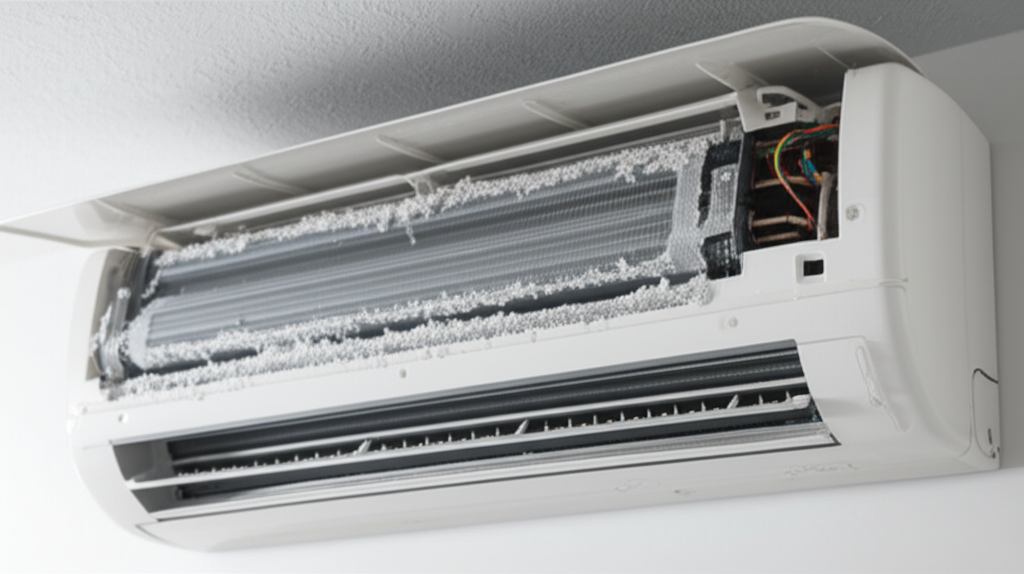
Facing a frozen AC coil? Don’t panic! Turn the system OFF immediately, set the thermostat to ‘Fan Only,’ and let the ice melt completely. Once thawed, check the air filter—that’s usually the easy fix.
Is your air conditioner blowing warm air instead of that cool breeze you expect? Maybe you even see ice forming on the unit. That is a very common problem, and it can make you feel frustrated. Dealing with AC issues often sounds scary or expensive, but many simple problems can be fixed right away. I’m Jack from ACReviewHub.com, and I promise to walk you through exactly what is happening and how to fix that frozen coil without needing a complicated manual.
We will start by understanding why ice forms in the first place. Then, we will go through the safe steps to thaw it out. Finally, we will look at the easy maintenance tricks that keep this problem from ever happening again. You will feel confident taking charge of your home cooling system today.
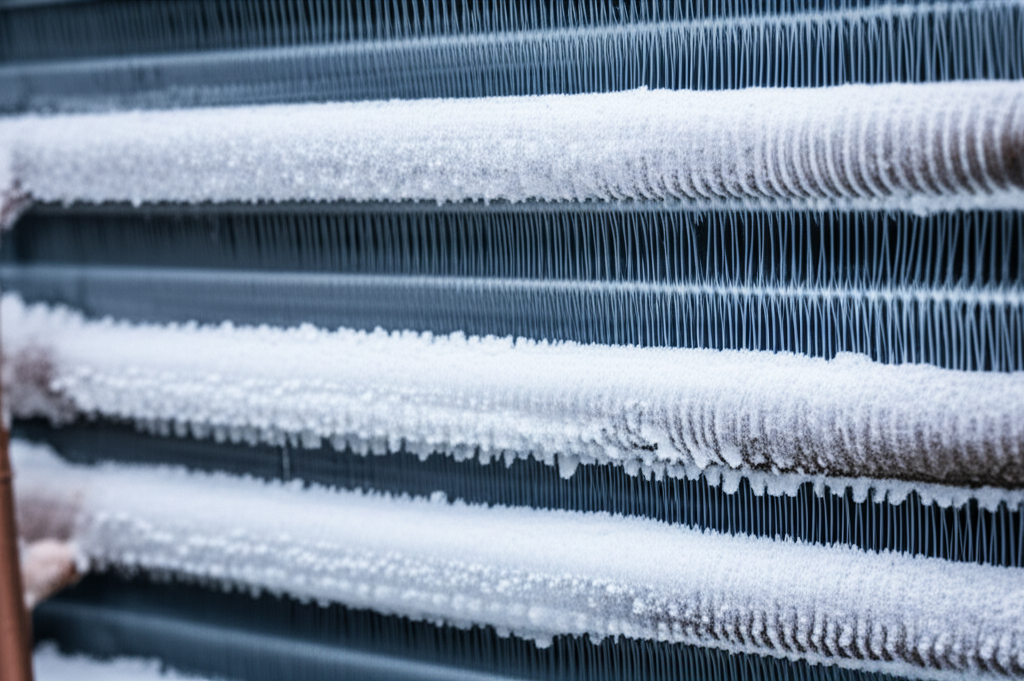
Why Is My AC Coil Freezing Up? The Simple Truth
That block of ice on your indoor unit is called a frozen evaporator coil. Think of this coil as the part that gets super cold to suck the heat out of your home air. When this coil gets too cold, the moisture in the air freezes right onto it, just like frost on a winter window.
This freezing is almost always a sign that something is blocking the airflow or that the system is running low on its special cooling liquid (refrigerant). We are going to look at the three main culprits that beginners can easily check.
Culprit 1: The Dirty Air Filter (The Most Common Fix)
Your air filter is like the AC’s lungs. It catches dust and dirt so they don’t clog up the sensitive parts inside. If the filter gets clogged, air cannot flow freely across the cold coil.

When air flow is too low, the coil gets colder than it should be. This causes the moisture to freeze. This is the easiest fix you can do!
Culprit 2: Low Refrigerant Levels
Refrigerant is the liquid that actually does the cooling work inside your unit. If your system has a slow leak, the level of this liquid drops. When the refrigerant gets too low, the pressure inside the coil drops too much.
This low pressure makes the coil get extremely cold—so cold that ice forms instantly. Fixing a leak usually requires a trained professional, but knowing this is the cause helps you call the right person.
Culprit 3: Fan or Blower Motor Issues
If the fan that blows air across the coil isn’t working hard enough, you have the same problem as a dirty filter: not enough warm air moving over the cold coil to keep it above freezing temperature. This often happens if the fan motor is struggling or if the fan blades are dirty.
Urgent Action Plan: How to Safely Thaw Your Frozen AC Coil
If you see ice, you must act fast. Running a frozen AC unit wastes energy and can seriously damage the compressor, which is the heart of your system. Follow these steps carefully to thaw the ice safely.
Step 1: Shut Down the Cooling Immediately
You need to stop the cooling cycle right away. Do not just turn the thermostat down; you need to cut the power to the cooling mechanism.
- Go to your thermostat.
- Switch the setting from COOL to OFF.
Step 2: Switch the Fan to ‘On’ or ‘Fan Only’
We need air moving across the ice to melt it quickly. We want to use warm room air to melt the ice, not use the cooling function.
- On your thermostat, switch the FAN setting from AUTO to ON (or FAN ONLY if you have that option).
- This will run the blower fan continuously, pushing room-temperature air over the frozen coil.
Step 3: Wait and Watch for Water
This thawing process takes time. Depending on how thick the ice is, it could take anywhere from one hour to several hours. Keep the fan running the whole time.
- Place a shallow pan or towel under the indoor unit if you are worried about water leakage onto the floor.
- Do not turn the AC back to COOL until all visible ice has melted.
Step 4: Check the Air Filter (Before Restarting)
Once the ice is gone and you are ready to restart cooling, this is the most important step for prevention. A clean filter ensures good airflow.
| Filter Condition | Action Needed |
|---|---|
| Slightly Dusty | Clean or replace immediately. |
| Very Dirty/Black | Replace immediately and check again in one month. |
| Clean, but Still Frozen | Move to checking other components or call a pro. |
Step 5: Restart the System
After you’ve installed a clean filter, wait about 15 minutes to ensure the coil is completely dry inside. Then, set your thermostat back to COOL and a temperature a few degrees higher than the room temperature to start gently.
If the coil freezes again within a few hours, you likely have a refrigerant leak or a bigger mechanical issue that needs professional attention. For more detailed information on energy efficiency and AC health, check out the helpful tips from Energy.gov.
Keeping Your AC Happy: Simple Preventative Maintenance
The best way to fix a frozen coil is to never have one in the first place! Regular, simple maintenance keeps your airflow strong and your system running smoothly.
Your Monthly AC Maintenance Checklist
These tasks are easy to do yourself and save you money on repairs.
- Check the Filter: Look at your filter once a month. If you have pets or allergies, check it every two weeks. Replace disposable filters or thoroughly clean reusable ones.
- Clear the Area: Make sure nothing is blocking the outdoor unit (the condenser). Keep shrubs, grass, and furniture at least two feet away from it so air can flow freely around the outside.
- Check the Drain Line: Your AC removes humidity, and that water needs somewhere to go. Check the drain pan and line to ensure it isn’t clogged with algae or debris, which can cause water backup and freezing issues.
When to Call the AC Expert (The Pros Only List)
Some things are best left to the people with the special tools and training. If you have done the filter check and the ice still returns quickly, it is time to call an HVAC technician.
| Symptom | Likely Cause | Who Fixes It? |
|---|---|---|
| Ice returns quickly after thawing. | Low refrigerant or refrigerant leak. | Professional Technician |
| Unit is making strange rattling or loud humming noises. | Loose parts or failing motor. | Professional Technician |
| Coil is clean, but air flow is weak. | Blower motor failure or dirty evaporator fan. | Professional Technician |
Calling a pro when you suspect a refrigerant issue is important for the environment and for your system’s lifespan. Refrigerant levels must be handled carefully.
Frequently Asked Questions About AC Freezing
Here are the quick answers to the things I hear most often when talking to new AC owners.
Q1: Can I use a hairdryer to speed up the thawing?
A: It’s best not to. Use the ‘Fan Only’ setting first. Using a hairdryer can cause extreme temperature changes that might actually damage the metal coil.
Q2: How long can I run my AC if the coil freezes?
A: You shouldn’t run it at all while frozen. Switch to ‘Fan Only’ mode immediately. Running a frozen unit risks major compressor failure.
Q3: Why is my AC blowing warm air after the ice melts?
A: Give it about 30 minutes after thawing. If it’s still warm, the problem might be low refrigerant, or maybe the outdoor unit (condenser) is dirty and can’t release heat.
Q4: How often should I change my air filter?
A: For most homes, every 30 to 90 days is the standard. If you use a very thin, cheap filter, check it monthly.
Q5: Is it normal for the outside unit to have some frost on it sometimes?
A: A little bit of light frost on the outside unit during very humid weather is sometimes okay, but heavy ice on the inside coil is never normal.
Q6: Does setting the temperature too low cause freezing?
A: Yes, definitely! If you set the thermostat way down (like 65°F) on a very humid day, the coil gets cold too fast for the air to warm it up enough, leading to freezing.
Final Cool-Down Thoughts
See? Fixing a frozen AC coil starts with simple steps you can handle right now. By turning the system off, switching to fan mode, and checking that filter, you have solved 80% of the potential problems. Taking care of small maintenance tasks regularly keeps your system efficient and stops those costly surprises.
Stay comfortable, keep an eye on that filter, and you’ll enjoy cool air all season long. You’ve got this!
