
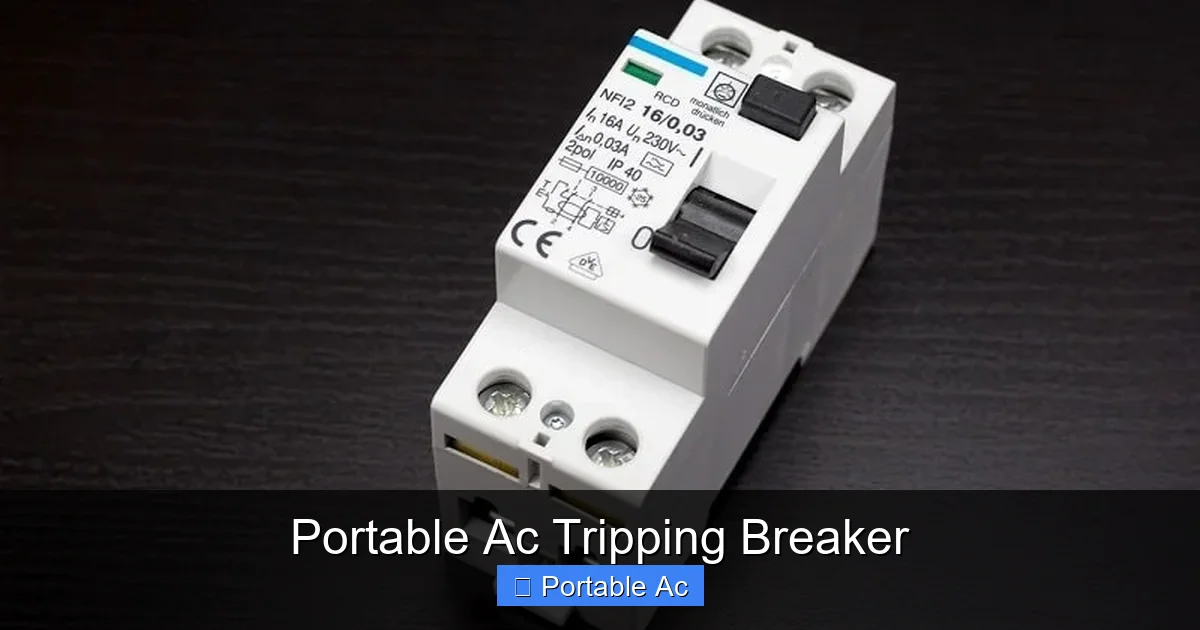
Portable AC tripping breaker is a common but frustrating issue that can leave you sweating in the heat. This problem usually stems from electrical overload, faulty wiring, or a failing compressor. Understanding the root cause is key to fixing it quickly and safely.
Key Takeaways
- Electrical Overload: Most portable ACs draw significant power—often 10–15 amps—and can trip breakers if the circuit is already near capacity.
- Faulty Components: Worn-out capacitors, failing compressors, or damaged wiring inside the unit can cause irregular power draws that trigger safety mechanisms.
- Improper Installation: Incorrect hose routing or blocked exhaust vents may increase internal pressure, straining the system and drawing excess current.
- Aging Breaker: Older circuit breakers lose sensitivity and may trip prematurely under normal load conditions.
- Dirty Filters: Clogged air filters force the AC to work harder, increasing energy use and the risk of overheating or tripping.
- Voltage Fluctuations: Unstable power supply from overloaded outlets or shared circuits can destabilize the AC’s operation.
- Solution First: Always check the Fix AC Tripping Breaker Effortless Guide for step-by-step troubleshooting before replacing parts.
Quick Answers to Common Questions
Why does my portable AC trip the breaker immediately when I turn it on?
It’s usually due to an electrical overload or a failing component like the compressor or capacitor. The high startup current can exceed your circuit’s capacity, especially if the wiring is old or shared with other devices.
Can a dirty filter cause my portable AC to trip the breaker?
Yes. A clogged filter restricts airflow, forcing the compressor to work harder and draw more power. This increases heat and strain, which can trigger the breaker over time.
Is it safe to keep resetting a tripping breaker?
No. Frequent tripping indicates a serious issue—like a short circuit or electrical fault. Resetting repeatedly without fixing the cause can damage your AC or risk a fire.
How can I stop my portable AC from tripping the breaker?
Try plugging it into a dedicated circuit, cleaning the filter, checking the exhaust hose, and ensuring stable voltage. If problems persist, consult a technician or consider replacing the unit.
Does a portable AC need a dedicated circuit?
Yes, ideally. Portable ACs draw significant power, especially during startup. A dedicated 15–20 amp circuit prevents overloads and reduces the risk of tripping.
📑 Table of Contents
Why Is Your Portable AC Tripping the Breaker?
If you’ve ever been sitting in a sweltering room, reaching for the reset button on your portable AC only to find the breaker trips again, you’re not alone. This frustrating cycle is more common than you think—and it’s usually a sign that something’s off with your unit or your electrical setup. When a portable AC tripping breaker happens, it’s not just an inconvenience; it’s your home’s electrical system protecting itself from potential danger.
Modern portable air conditioners are powerful appliances designed to cool rooms quickly, but they also demand a lot from your home’s wiring. Most models operate on 110–120V circuits and pull between 10 to 15 amps during startup—a surge that can overload older circuits or those shared with other high-draw devices like microwaves or space heaters. The breaker trips not because the AC is broken, but because it’s asking too much from a system that wasn’t built to handle it.
Common Causes of Portable AC Tripping Breaker
Understanding why your portable AC keeps tripping the breaker starts with identifying the root causes. These issues often overlap, so a methodical approach is essential. Let’s break down the most frequent culprits.
Visual guide about Portable Ac Tripping Breaker
Image source: applianceanalysts.com
1. Electrical Overload and Circuit Capacity
Your home’s electrical system is designed with safety in mind—each circuit has a maximum load limit, usually 15 or 20 amps. When your portable AC kicks on, especially during the initial compressor spin-up, it can momentarily draw 12–15 amps. If your circuit is already running hot from other devices, or if the wiring is outdated, the breaker sees this as an overload and shuts off.
Pro tip: Plug your portable AC directly into a dedicated circuit if possible. Avoid daisy-chaining it with other appliances. If your home doesn’t have a spare circuit, consider upgrading your electrical panel—this is especially important in older homes with old building wiring.
2. Faulty or Failing Components
Internal parts like the compressor, capacitor, or control board can degrade over time. A failing compressor might draw more current than normal, triggering the breaker. Similarly, a bad capacitor can cause irregular power spikes during startup.
If your AC is older or has been running continuously for weeks without a break, internal components may be stressed. In such cases, replacing the unit might be more cost-effective than repairing individual parts. Check with the manufacturer or a certified technician before assuming it’s a simple fix.
3. Incorrect Installation or Hose Blockage
Portable ACs expel hot air through an exhaust hose that vents outside. If the hose is kinked, too long, or blocked by furniture, the system can’t release heat efficiently. This increases internal pressure and forces the compressor to work harder, drawing more power and risking a trip.
Ensure your exhaust hose is straight, unobstructed, and as short as possible. For rooms with no exterior wall access, look into models designed for windowless setups—like the Best Portable AC for Rooms with No Exhaust Window.
4. Dirty or Clogged Air Filters
Over time, dust and debris accumulate in your portable AC’s filter. A clogged filter restricts airflow, reducing efficiency and forcing the compressor to run longer and harder. This increases energy consumption and heat buildup, which can trip the breaker.
Clean your filter every 2–4 weeks during peak usage. Use a vacuum or rinse it gently under cool water—never hot water, as it can warp the filter. For optimal performance, pair regular cleaning with a high-quality portable AC cleaning kit.
5. Voltage Instability or Shared Circuits
Fluctuations in your home’s power supply—such as those caused by high demand from the neighborhood or faulty wiring—can destabilize your AC’s operation. If the voltage drops too low, the motor may struggle to start, drawing excess current and tripping the breaker.
Avoid plugging your portable AC into an outlet shared with multiple devices. Use a surge protector with overload protection if you must, but remember: surge protectors don’t replace dedicated circuits. For homes with frequent voltage issues, consult an electrician to assess your power quality.
How to Fix a Portable AC That Keeps Tripping the Breaker
Now that you understand the causes, let’s walk through practical steps to resolve the issue. Start with simple checks before moving to more complex diagnostics.

Visual guide about Portable Ac Tripping Breaker
Image source: media2.fishtank.my
Step 1: Reset the Breaker and Test
Turn off the portable AC, wait 30 seconds, then reset the breaker. Plug the AC into a different outlet on the same circuit. If it still trips immediately, the problem is likely internal or due to a wiring issue. If it runs for a few minutes, the original outlet may be faulty.
Step 2: Inspect and Clean the Air Filter
Remove the filter and check for dust buildup. Clean it thoroughly and reinsert it. Run the AC for 15 minutes to see if performance improves. A clean filter reduces strain and lowers the risk of overheating.
Step 3: Check the Exhaust Hose and Vent
Ensure the hose is not kinked, blocked, or longer than recommended. The ideal length is under 6 feet. Position the window vent kit so hot air exits freely without recirculating into the room.
Step 4: Use a Dedicated Circuit
Plug the AC directly into a wall outlet without using power strips or extension cords. If your home lacks a dedicated circuit, consider hiring an electrician to install one—especially important for high-use areas like living rooms or bedrooms.
Step 5: Monitor for Recurring Trips
If the breaker trips within minutes of restarting, unplug the unit and call a technician. Persistent tripping indicates a serious internal fault, such as a short circuit or failing compressor.
Preventing Future Breaker Trips
Once your portable AC is running smoothly, a few habits can prevent future issues. These preventive measures extend the life of your unit and keep your home safe.
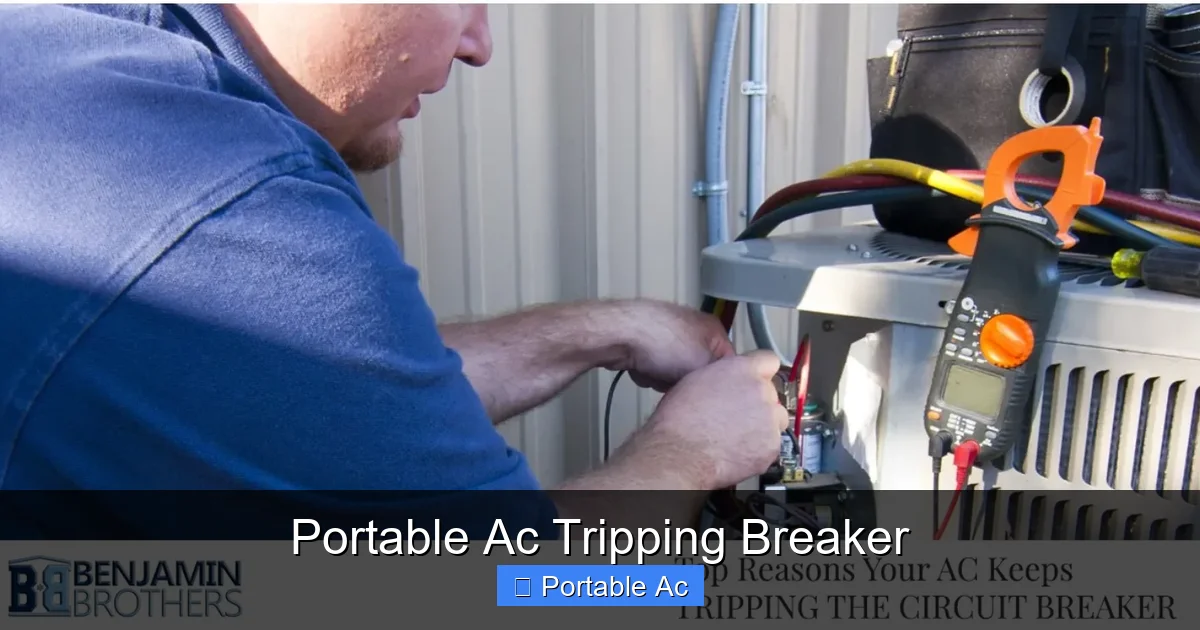
Visual guide about Portable Ac Tripping Breaker
Image source: i1.wp.com
Regular Maintenance Is Key
Schedule monthly filter cleanings and annual professional inspections. Many portable ACs benefit from coil cleaning and refrigerant checks. For DIYers, a portable AC cleaning kit can help maintain efficiency and reduce strain on the compressor.
Choose the Right AC for Your Space
Not all portable ACs are created equal. A unit rated for 1,200 sq. ft. won’t perform well in a 500 sq. ft. room—and may overwork, tripping breakers. Match the BTU rating to your room size. For small apartments or compact spaces, consider models like the Best Portable AC for Compact Spaces.
Upgrade Your Electrical Setup
If your home has outdated wiring or frequent breaker trips, invest in an electrical panel upgrade. This is especially crucial for older homes where knob-and-tube wiring may still be in use. An updated system supports modern appliances safely.
When to Replace Your Portable AC
Sometimes, despite your best efforts, the unit is beyond repair. Signs it’s time to replace your portable AC include:
- Frequent breaker trips even on a dedicated circuit
- Unusual noises like grinding or clicking
- Reduced cooling performance despite clean filters
- Age over 5–7 years with no maintenance
If your AC is under warranty, contact the manufacturer. Otherwise, compare energy-efficient models with lowest power consumption to reduce future electrical strain.
Final Thoughts
A portable AC that keeps tripping the breaker isn’t always a sign of a broken appliance—it’s often a signal that your electrical system or setup needs attention. By understanding the causes and taking preventive steps, you can enjoy reliable cooling without the frustration. Always prioritize safety: if you’re unsure about wiring or internal components, consult a licensed electrician.
With proper care, your portable AC can last years and keep you cool through every heatwave. Just remember: a little maintenance goes a long way.
Frequently Asked Questions
Can a portable AC trip the breaker even if it’s new?
Yes, if it’s installed on an overloaded circuit or has a manufacturing defect. New units can also trip if the exhaust hose is blocked or the filter is dirty.
How long should I wait before resetting a tripping breaker?
Wait at least 30 seconds to a minute. This allows the breaker to cool and reset properly. Rushing may lead to repeated trips if the underlying issue isn’t fixed.
Will a portable AC trip a 15-amp breaker?
It depends. Most portable ACs draw 10–15 amps during startup. If your circuit is near capacity or the wiring is old, the breaker may trip even on a 15-amp line.
Can I use an extension cord with my portable AC?
Not recommended. Extension cords add resistance and can overheat, increasing the risk of tripping or fire. Always plug directly into a wall outlet.
What should I do if my portable AC trips the breaker after running for a few minutes?
Turn it off immediately. This suggests overheating or a failing component. Unplug it and inspect for blockages or unusual sounds. If it restarts and trips again, call a technician.
Is it worth repairing a portable AC that trips the breaker?
It depends. If the issue is a simple fix like a dirty filter or hose blockage, repair is worthwhile. For recurring electrical faults or aging units, replacement may be more cost-effective.
