
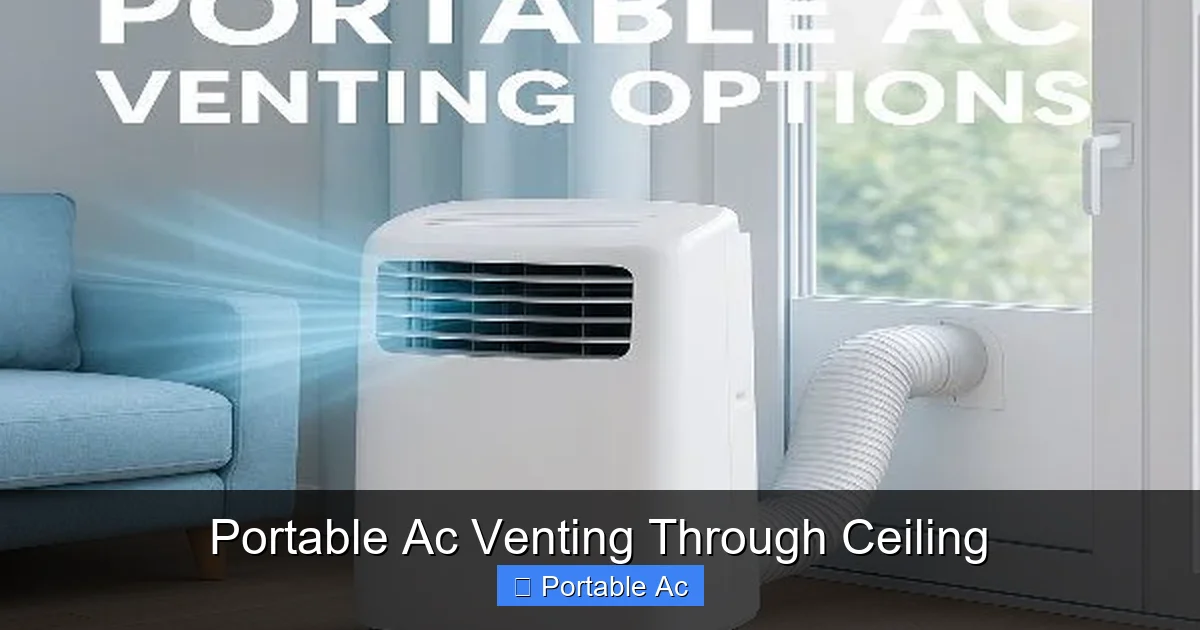
Portable AC venting through ceiling offers a sleek solution for rooms without windows or limited wall space. By routing the exhaust hose up into your attic or exterior ceiling, you can eliminate noise and improve air circulation. This method requires careful planning but delivers a clean, professional look while maximizing cooling efficiency.
Imagine this: It’s 3 p.m., your living room feels like an oven, and your portable AC is humming loudly right next to your bookshelf—blocking the door and kicking up dust. You’ve tried moving it around, but every spot creates new problems. Sound familiar? That’s where portable AC venting through ceiling comes in.
Instead of letting that noisy, bulky machine dominate your space, why not route its exhaust straight out through the ceiling? It’s not just a clever trick—it’s a game-changer for comfort and convenience. With the right setup, your portable AC becomes quieter, more efficient, and completely out of sight. Plus, you won’t have to sacrifice precious floor space or risk damaging your walls with constant repositioning.
In this guide, we’ll walk you step-by-step through everything you need to know about installing a portable AC vent through the ceiling. From choosing the right equipment to sealing gaps and maintaining airflow, you’ll learn how to make your cooling system work smarter—not harder.
Key Takeaways
- Saves floor and wall space: Ceiling venting allows your portable AC unit to sit discreetly inside the room without blocking pathways or damaging walls.
- Reduces indoor noise: Exhausting hot air through the ceiling moves the loudest part of the system outside, making it ideal for bedrooms or home offices.
- Requires attic access or roof penetration: You’ll need proper insulation around the vent hole and secure sealing to prevent drafts or water leaks.
- Improves energy efficiency: A well-vented portable AC avoids recirculating warm air, helping maintain consistent cool temperatures with less strain.
- Safety first: Always turn off power before drilling, use fire-rated materials, and follow local building codes when modifying ceilings or roofs.
- Works best with rigid ducts: Flexible hoses collapse easily; rigid metal or insulated ducting ensures smooth airflow and long-term performance.
- Consider professional help: If unsure about structural changes or electrical safety, consult an HVAC technician for guidance.
Quick Answers to Common Questions
Can I vent my portable AC through any type of ceiling?
Most standard drywall ceilings work fine, but you’ll need access to an attic or roof. Tile, drop, or vaulted ceilings require extra care and possibly professional installation.
Do I need special permission to drill through the roof?
In most residential areas, minor HVAC modifications like this don’t require permits—but check local building codes. If you’re in a historic district or HOA neighborhood, confirm with your association first.
How much does it cost to set up a ceiling vent?
Expect $20–$60 for ducting, tape, and sealant. Labor costs vary, but DIY saves money. Professional installation runs $100–$250 depending on complexity.
Will ceiling venting affect my electricity bill?
Properly vented units operate more efficiently than poorly positioned ones, potentially lowering usage by 10–15%. However, total savings depend on insulation, room size, and AC model.
Can I remove the vent later if I move?
Yes, but patching holes properly prevents leaks and pests. Use spackle for drywall, roofing cement for roofs, and re-insulate if necessary.
📑 Table of Contents
- Why Choose Ceiling Venting for Your Portable AC?
- Step-by-Step Guide: How to Vent a Portable AC Through the Ceiling
- Best Practices for Safe and Efficient Ceiling Venting
- Common Mistakes to Avoid
- Alternatives to Ceiling Venting (And When to Use Them)
- Maintenance Tips for Long-Term Performance
- Final Thoughts: Is Ceiling Venting Right for You?
Why Choose Ceiling Venting for Your Portable AC?
Portable air conditioners are awesome—until they start taking over your room. Most models come with a single hose that vents hot air out through a window using a simple kit. But what if you don’t have a window? Or what if you want something cleaner and quieter?
That’s when ceiling venting shines. Instead of poking a hole in your wall or jerry-rigging a hose across the floor, you send the exhaust upward into your attic or directly outside via the roof. The benefits? Plenty.
First, it keeps your living space clutter-free. No more tripping over extension cords or dodging the machine every time someone walks by. Second, because the loud compressor and fan aren’t sitting right beside you, the noise level drops significantly—perfect for nighttime use or concentrated work zones.
Third, proper ventilation prevents heat buildup inside the room. When warm air gets trapped indoors, your AC has to work harder, wasting electricity and shortening its lifespan. By exhausting hot air efficiently through the ceiling, you maintain steady temperatures and reduce strain on the unit.
Finally, ceiling venting gives you flexibility. Need to cool a basement office, a sunroom, or a rental apartment without windows? This method adapts beautifully—no permanent modifications required.
Step-by-Step Guide: How to Vent a Portable AC Through the Ceiling
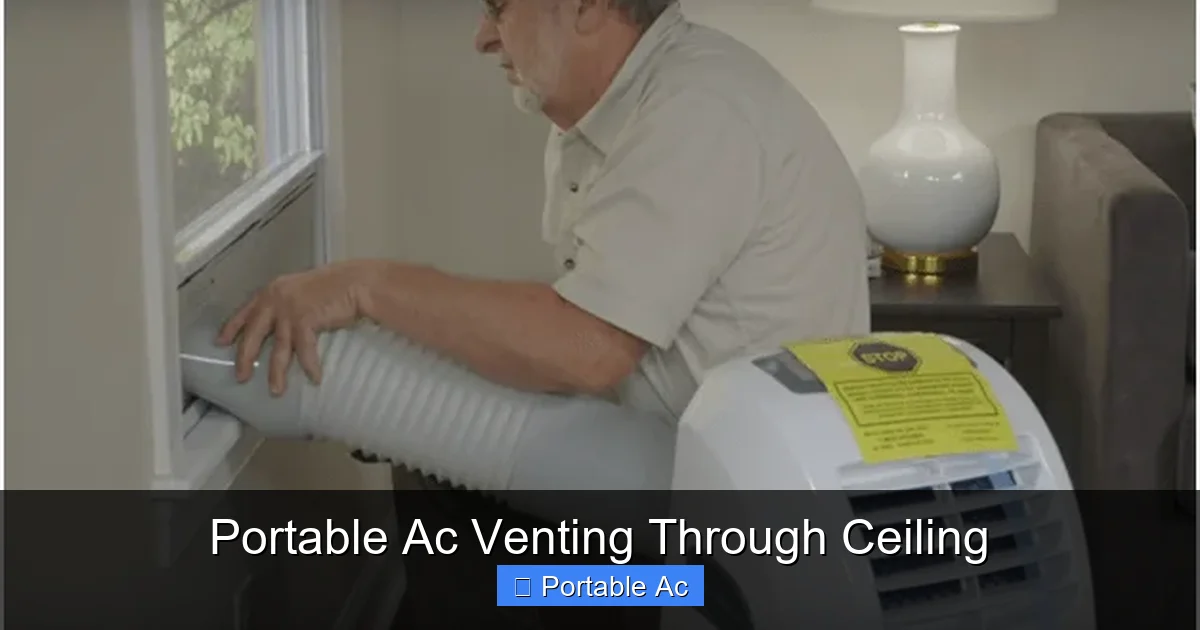
Visual guide about Portable Ac Venting Through Ceiling
Image source: coolandportable.com
Ready to transform your portable AC into a hidden cooling hero? Follow these steps carefully, and you’ll have a quiet, effective system in no time.
Gather Your Tools and Materials
Before you grab a drill, make sure you have everything ready:
– Rigid or semi-rigid ducting (metal or insulated PVC works best)
– Duct tape or foil tape (heat-resistant!)
– Measuring tape and marker
– Hole saw or reciprocating saw
– Ladder sturdy enough for roof access
– Safety goggles and gloves
– Insulation foam or caulk (for sealing gaps)
– Optional: attic ladder or access panel
Avoid using cheap flexible plastic hoses—they kink easily and restrict airflow, defeating the whole purpose.
Choose the Right Location Inside the Room
Place your portable AC near the center of the room, away from furniture and foot traffic. Make sure it’s stable and level. Then measure how far the built-in exhaust port is from the ceiling. Most units sit about 18–24 inches off the floor, so plan accordingly.
If possible, position the unit so the hose can rise vertically toward the ceiling—this minimizes bends and maintains strong airflow.
Drill a Hole in the Ceiling
Using a hole saw (recommended size: 5 inches), cut a clean opening centered above your AC. Go slow—ceiling joists run in different directions, so double-check with a stud finder if needed. Once the hole is through, slide the ducting through from below.
If you’re going all the way through to the roof, wear safety gear and consider having someone spot you. Use flashing around the penetration point to divert rainwater away from the hole.
Connect the Duct Properly
Secure the duct tightly to the portable AC’s exhaust port using foil tape or a clamps designed for HVAC systems. Never rely on regular duct tape—it melts under heat.
Then, connect the other end to either:
– An existing attic vent or chase, or
– A new roof penetration with proper waterproofing
Use fire-rated insulation or spray foam around the edges to seal gaps and prevent cold spots or condensation.
Test and Adjust
Turn on your AC and listen for unusual noises or weak airflow. Feel along the duct walls—if it’s cold or damp, you may have a leak. Tighten connections or add more tape as needed.
Also check the area outside: Is warm air blowing out steadily? If not, recheck for blockages or collapsed sections.
Best Practices for Safe and Efficient Ceiling Venting
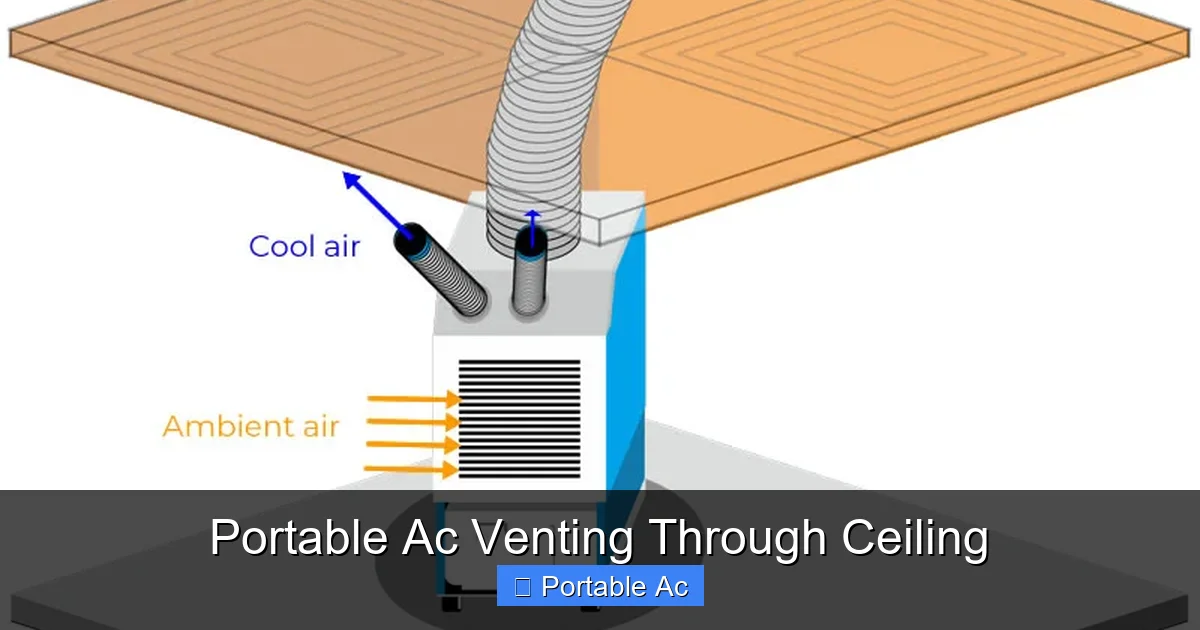
Visual guide about Portable Ac Venting Through Ceiling
Image source: precisionairrental.com.au
While DIY projects can be fun, safety and efficiency should always come first. Here’s how to do it right the first time.
Insulate Around the Penetration
Whether you’re stopping at the attic or going all the way through the roof, proper insulation is non-negotiable. In winter, uninsulated holes cause condensation that leads to mold. In summer, they let hot air back in.
Use closed-cell spray foam or fiberglass batts wrapped in vapor barrier material. For roof penetrations, install flashing with a drip edge to keep water out.
Use Fire-Rated Materials
Never use flammable plastics near electrical components or heating elements. Opt for UL-listed metal ducting or high-temperature PVC. These resist melting and meet building code requirements.
Maintain Clear Airflow Path
Keep the duct straight and unobstructed. Avoid sharp bends, sagging sections, or anything that could trap moisture or slow down exhaust. If your attic is cramped, consider adding baffles or redirecting the path slightly.
Seal Gaps at Every Joint
Every connection between the AC, duct, and ceiling needs a tight seal. Use aluminum foil tape—it reflects radiant heat and stays flexible in temperature swings. Reapply annually or after moving the unit.
Common Mistakes to Avoid
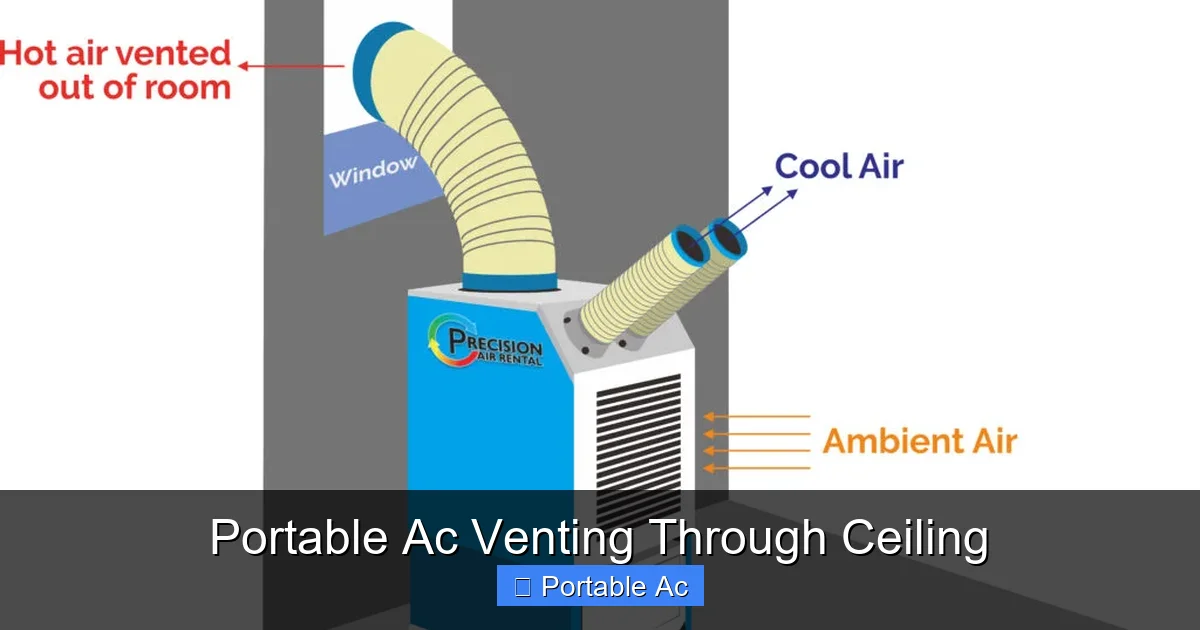
Visual guide about Portable Ac Venting Through Ceiling
Image source: precisionairrental.com.au
Even experienced DIYers make errors when setting up ceiling vents. Watch out for these pitfalls:
– **Using flexible hose only**: As mentioned earlier, cheap plastic hoses collapse under suction, reducing efficiency.
– **Skipping insulation**: Drafts and moisture damage follow unchecked gaps.
– **Installing too close to light fixtures**: Heat-sensitive bulbs can fail or pose fire risks.
– **Ignoring weight limits**: Heavy ducting or wet insulation adds load—check ceiling joist capacity.
– **Not securing the hose**: Sagging lines create turbulence and noise.
When in doubt, sketch your layout beforehand and verify measurements twice.
Alternatives to Ceiling Venting (And When to Use Them)
Ceiling venting isn’t the only option—but it’s one of the best for permanent or semi-permanent setups. Still curious about alternatives?
For rooms without attic access, wall venting is a solid backup. Just remember to choose a sturdy window insert or build a custom sleeve.
If you’re renting or can’t modify structures, look into hose-free portable ACs. They recycle air internally but sacrifice some efficiency.
Another smart move? Pair your portable AC with a dehumidifier during humid months. Moisture makes cooling feel less effective and encourages mold growth—especially in basements or poorly ventilated rooms.
Maintenance Tips for Long-Term Performance
Once your ceiling vent is installed, don’t forget to maintain it. Clean or replace filters monthly. Inspect duct joints seasonally for looseness or corrosion. And always empty the condensate tank regularly—especially in high-humidity climates.
If you notice reduced cooling or strange odors, investigate immediately. Clogged filters or leaking ducts waste energy and spread bacteria.
Final Thoughts: Is Ceiling Venting Right for You?
Venting your portable AC through the ceiling isn’t for everyone—but if you value quiet operation, space-saving design, and reliable cooling, it’s worth serious consideration. Yes, it takes a little effort upfront, but the payoff is a cleaner, more comfortable room with minimal fuss.
Whether you’re upgrading a bedroom, office, or recreational space, this technique turns a basic appliance into a tailored climate solution. Just remember: safety, quality materials, and attention to detail make all the difference.
With the right prep and a few trusted tools, you’ll enjoy year-round comfort without sacrificing style or sanity.
Frequently Asked Questions
Is it safe to drill through my ceiling for a portable AC?
Yes, as long as you avoid electrical wiring, plumbing, or load-bearing beams. Use a stud finder and work slowly. Always disconnect power before drilling near outlets or switches.
What size hole should I drill for the duct?
A 4–6 inch diameter is typical. Match it to your ducting size—most portable ACs use 4-inch ports. Larger holes provide flexibility but aren’t necessary unless using oversized tubing.
Can I use flexible plastic hose for ceiling venting?
Not recommended. Flexible hoses collapse under negative pressure, restricting airflow and reducing cooling performance. Use rigid metal or high-quality insulated ducting instead.
Should I stop the duct at the attic or go through the roof?
Either works, but going through the roof provides the shortest, straightest path. Stopping in the attic is easier for beginners but may require longer runs and additional bends.
How do I prevent condensation in the duct?
Ensure proper slope (slightly downward from AC to exit) and use insulated ducting. Seal all joints tightly and insulate around penetration points to avoid cold surfaces where moisture condenses.
Can I install the vent myself or should I hire a pro?
DIY is totally doable with basic tools and caution. If you’re uncomfortable with roof work, electrical hazards, or structural concerns, hire an HVAC contractor for peace of mind.
