
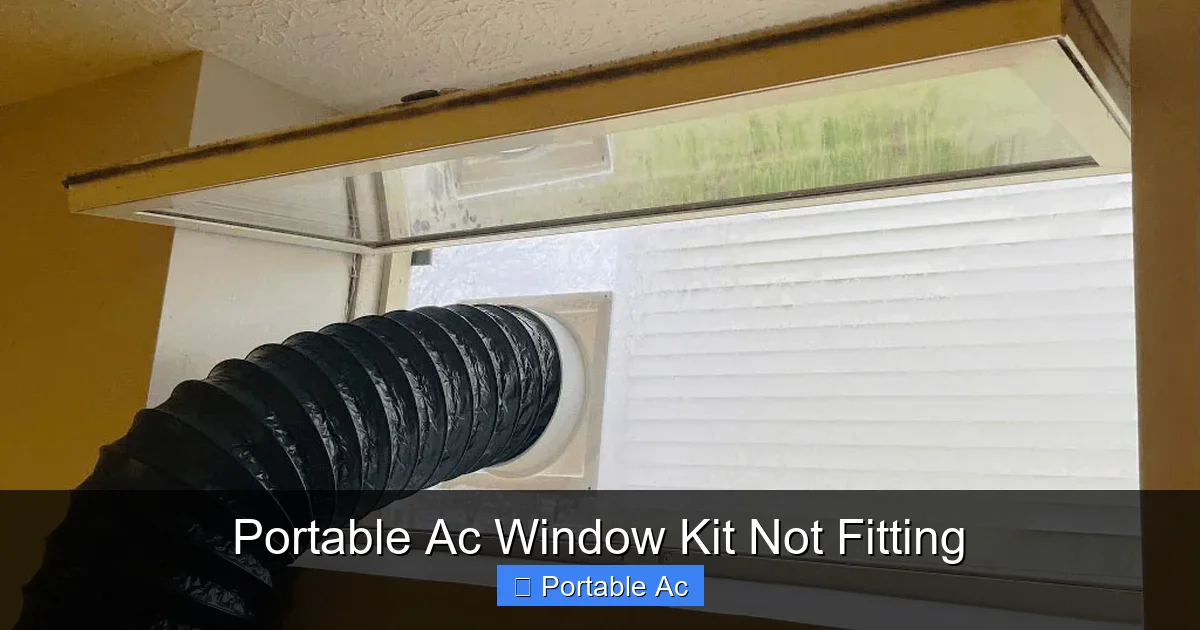
Portable AC window kits not fitting is a common issue that can prevent your unit from working properly. This problem often stems from mismatched window sizes, poor sealing, or incompatible designs. Fortunately, there are simple fixes—like adjusting brackets, using foam insulation, or upgrading to universal kits—that restore performance and comfort. Whether you’re dealing with sliding windows, non-standard frames, or just a poorly designed kit, this guide walks you through practical solutions so your portable AC cools like it should.
You just bought a brand-new portable air conditioner, excited to beat the summer heat without drilling into your walls. But when it arrives, you open the box and realize: the included window kit doesn’t fit. Panic sets in—what now? Don’t worry. A portable AC window kit not fitting is more common than you think, and while it’s frustrating, it’s absolutely fixable. In this article, we’ll walk you through why this happens, how to diagnose the issue, and most importantly—what you can do about it.
Portable air conditioners are a lifesaver during hot months, especially if you live in an apartment or rented space where permanent installations aren’t allowed. Unlike window units, they’re mobile and easy to set up… but only if the exhaust hose has a clear path outside. That’s where the window kit comes in. It secures the hose and seals the opening to keep cool air inside and hot air out. When that kit doesn’t fit, your AC can’t function properly—leaving you sweating instead of sleeping.
The good news? Most “not-fitting” issues are solvable without returning the entire unit. From measuring errors to design flaws, we’ll cover everything you need to know to get your portable AC blowing cold air again.
Key Takeaways
- Universal kits offer better compatibility: Standard window kits don’t always fit every window type—switching to an adjustable universal kit increases your chances of a snug fit.
- Sealing gaps prevents energy loss: Even small gaps around the exhaust hose reduce efficiency and increase humidity—use weather stripping or foam tape for a tight seal.
- Measure twice, install once: Incorrect measurements lead to ill-fitting kits; always double-check width, height, and depth before purchasing or installing.
- Alternative venting options exist: If your window won’t cooperate, consider sliding doors, drop ceilings, or external wall kits as workarounds.
- Upgrading may be worth it: Some low-quality kits warp or break over time—investing in a durable, well-reviewed model pays off in long-term performance.
- DIY modifications help: Simple tools like utility knives, clamps, and sealants allow you to customize standard kits for tricky window shapes.
Quick Answers to Common Questions
Can I use duct tape to fix a loose portable AC window kit?
Yes, duct tape can temporarily secure loose panels or seal small gaps. However, it’s not waterproof or UV-resistant long-term. For lasting results, use silicone caulk or weather stripping instead.
Do all portable ACs come with window kits?
Most do, but some budget models or older units may omit them. Always check the product description—or purchase a universal kit separately if needed.
Is it safe to modify my window kit with scissors or knives?
Only if necessary and done carefully. Wear protective gloves, cut away from hands, and ensure cuts don’t interfere with airflow or hose movement.
Will a universal window kit work on bay windows?
Not reliably. Bay windows have curved angles that rigid kits can’t follow. Consider an external wall vent or professional installation for best results.
How often should I replace my portable AC window kit?
Every 1–2 years, depending on usage and environmental conditions. Inspect annually for cracks, warping, or seal degradation. Replace immediately if leaks persist.
📑 Table of Contents
Why Portable AC Window Kits Don’t Fit
Before scrambling to buy a new kit, let’s figure out what went wrong. There are several reasons why your portable AC window kit might not fit:
1. Incorrect Window Size
Every window is different—narrow, wide, tall, short. Many standard kits are designed for average-sized windows (usually around 24–36 inches wide). If yours is smaller or larger, the kit simply won’t align. For instance, sliding windows often have limited vertical clearance, making tall kits unusable. Similarly, storm windows or double-hung frames create obstructions that block proper installation.
2. Non-Standard Frame Shapes
Not all homes have rectangular windows. Bay windows, arched tops, or oddly angled frames throw off even the best-designed kits. These architectural features make it impossible for rigid plastic or metal brackets to sit flush. You might find the top corners sticking out or the bottom not touching the sill at all.
3. Poor-Quality Kit Construction
Cheap kits made from flimsy plastic or weak hinges bend easily under pressure. After a few uses, they lose their shape and no longer expand or contract smoothly. Over time, this leads to warping and misalignment—especially if exposed to sun or moisture.
4. Wrong Type of Window
Some portable ACs come with kits meant only for single-hung or fixed windows. Sliding glass doors, French doors, or skylights require special adapters. Using the wrong setup forces awkward angles and leaves dangerous gaps.
5. Improper Measurement During Purchase
Many buyers assume their window matches the advertised “fits most” dimensions. But without precise measurements, you risk ordering a kit that’s too big or too small. Always measure both interior and exterior openings—and include any trim or molding.
Understanding these causes helps you pinpoint the root of the problem. Once identified, you can choose the right fix instead of wasting time on trial and error.
How to Fix a Portable AC Window Kit That Doesn’t Fit
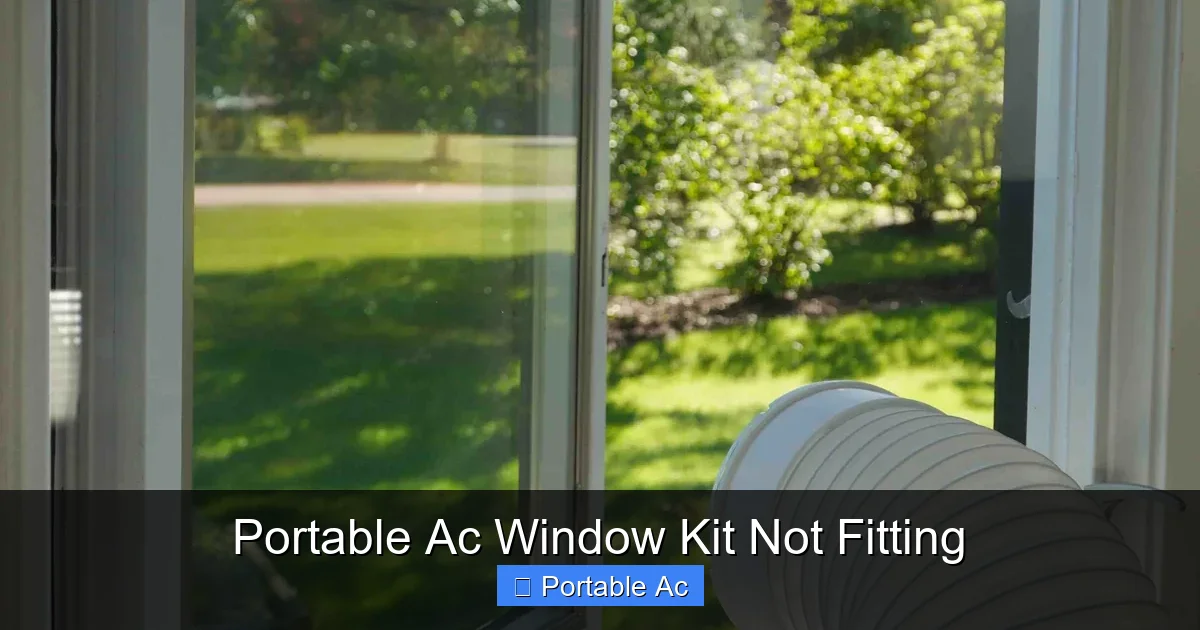
Visual guide about Portable Ac Window Kit Not Fitting
Image source: martinsonmanufacturing.com
Don’t give up yet! Here are actionable steps to resolve the issue:
Step 1: Verify Your Measurements
Grab a tape measure and check:
– Width (left to right)
– Height (top to bottom)
– Depth (how far the frame extends outward)
Compare these to your kit’s specifications. If there’s a mismatch, note exactly which dimension fails. This info will help when selecting a replacement or modifying the current one.
Step 2: Try a Universal Adjustable Kit
Instead of relying on the original kit, consider switching to a universal portable AC window kit. These models feature telescoping arms, flexible seals, and extendable panels that adapt to various window sizes. Brands like Honeywell, LG, and Frigidaire offer reliable options that work on everything from 20-inch dorm windows to 48-inch sliding doors.
When shopping for a universal kit, look for:
– Clamp-style brackets that grip securely without damaging paint
– Expandable side panels (typically 18–42 inches)
– Water-resistant seals to prevent drafts
Step 3: Seal Gaps with DIY Materials
Even if the kit fits loosely, sealing gaps ensures efficiency. Use:
– Weather stripping tape (adhesive-backed foam or V-strip)
– Duct tape (for temporary fixes)
– Silicone caulk (long-lasting sealant for permanent patches)
Apply along edges where the kit meets the window frame. Press firmly and smooth out bubbles. For extra insurance, layer multiple materials—foam first, then tape over it.
Step 4: Modify the Existing Kit
Got a kit that’s close but slightly off? Try these tweaks:
– Cut excess panel pieces with a utility knife (wear gloves!)
– Bend metal brackets gently with pliers (if applicable)
– Add cardboard shims behind plastic parts to fill gaps
Be careful not to damage the hose connection—this is critical for airflow.
Step 5: Reposition the Exhaust Hose
Sometimes the issue isn’t the kit—it’s the route the hose takes. Can you move the AC closer to a different window or door? Even a few feet matters. A shorter hose reduces resistance and improves cooling power.
Best Alternatives When the Kit Still Won’t Work
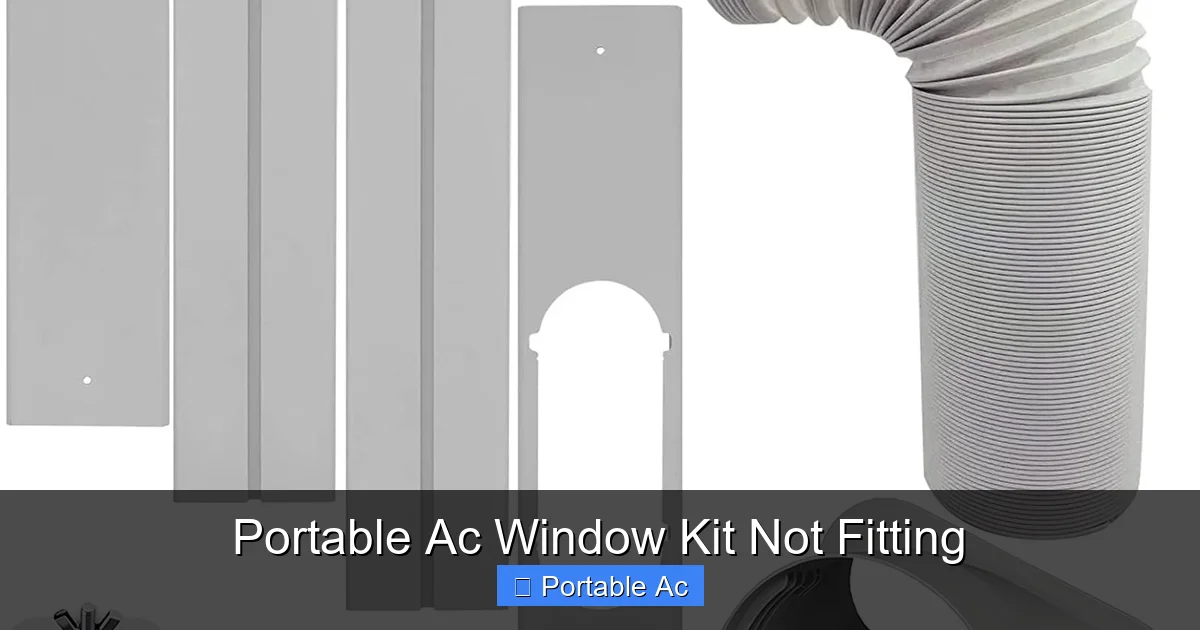
Visual guide about Portable Ac Window Kit Not Fitting
Image source: images-na.ssl-images-amazon.com
If all else fails, explore other ways to vent your portable AC:
Use a Sliding Door or Patio Entry
Many people overlook patio doors or large sliding glass doors. These often provide enough space for standard kits and offer easier access. Just make sure the seal is tight—otherwise, cool air escapes and hot air sneaks in.
Install an External Wall Vent
For permanent setups, consider cutting a hole in an exterior wall. While this requires permission in rental properties, it’s a clean solution. Use a window seal kit specifically designed for walls. These include insulated flaps and magnetic closures to maintain temperature control.
Leverage Drop Ceilings or Closets
In rooms with vaulted ceilings or limited window space, run the hose through a dropped ceiling panel or inside a closet. Route it to a nearby window. Just ensure the path is sealed well to avoid condensation buildup.
Rent or Borrow a Compatible Kit
Check local hardware stores or online marketplaces. Some retailers rent window kits by the week. Others sell used ones at low cost. Just sanitize thoroughly before reuse.
Prevent Future Fitting Issues
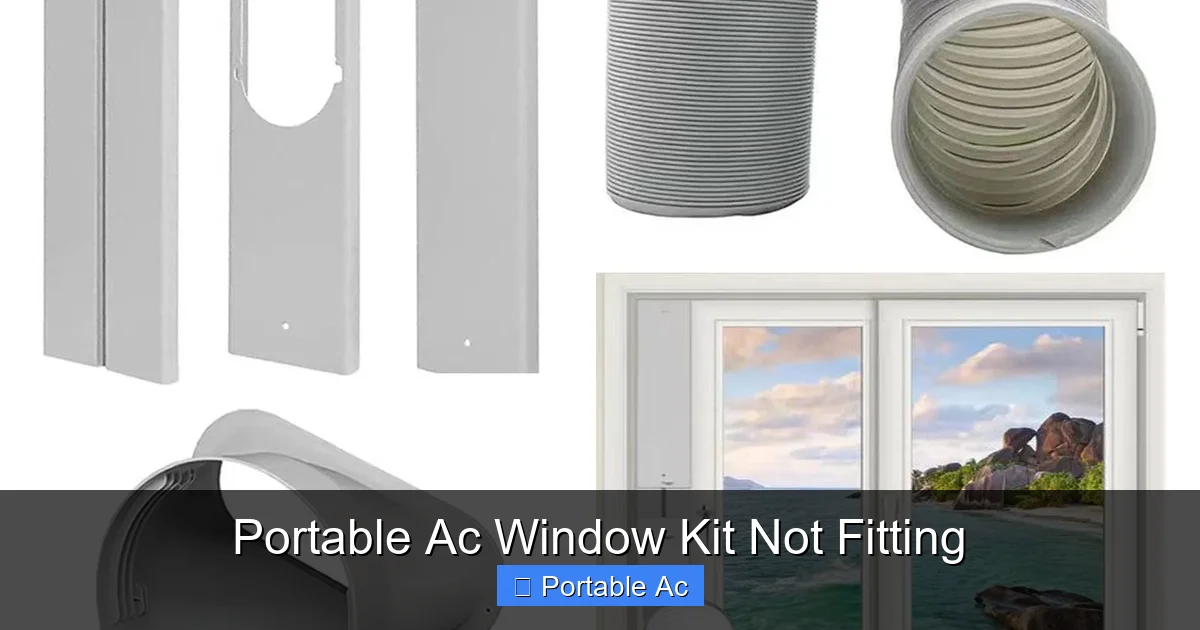
Visual guide about Portable Ac Window Kit Not Fitting
Image source: m.media-amazon.com
To avoid repeat problems:
– Buy portable ACs with easy-installation features like dual-hose systems (which reduce hose length needs).
– Read reviews mentioning “fitment issues” before purchasing.
– Opt for models with self-evaporating technology, which sometimes include better-designed vents.
– Keep spare sealant and foam strips on hand for quick touch-ups.
Also, remember: not all portable ACs require a traditional window kit. Newer models with hose-free designs or external vent fans bypass the whole problem entirely. Explore these if mobility and simplicity matter most.
When to Replace vs. Repair the Kit
Ask yourself: Is the kit structurally sound? If it’s cracked, warped beyond repair, or missing key components, replacement is smarter. But if it’s just loose or slightly misaligned, DIY fixes usually suffice.
Signs you need a new kit:
– Cracks in plastic panels
– Broken hinges or sliders
– Missing screws or brackets
– Persistent leaks despite sealing
On the other hand, if the kit expands/contracts smoothly and only needs tightening or padding, stick with it. Upgrading to a higher-quality model later is fine too—just don’t waste money on premium kits until you’ve exhausted simpler solutions.
Final Thoughts: Stay Cool Without the Stress
A portable AC window kit not fitting shouldn’t ruin your summer. With patience and the right approach, you can turn a frustrating setback into a learning experience. Measure carefully, explore universal options, and never underestimate the power of a good seal.
Remember, portable ACs are meant to be hassle-free. If your current unit keeps giving you trouble, it might be time to upgrade to a more user-friendly model—like those highlighted in our guides on affordable portable ACs under $400 or best value portable ACs for money.
Stay cool, stay smart, and don’t let a faulty kit stand between you and comfort.
Frequently Asked Questions
What should I do if my portable AC window kit is too big for my window?
Try adjusting the telescoping arms or adding foam inserts to fill gaps. If it’s still loose, switch to a universal kit designed for wider openings. Avoid duct tape alone—it won’t hold under wind or vibration.
Can I install a portable AC without any window kit?
Technically yes, but inefficiently. The exhaust hose must exit the room somehow—ideally through a sealed opening. Otherwise, warm air recirculates, reducing cooling power significantly.
Are universal window kits compatible with all portable AC brands?
Most are, but verify connector size (usually 5 or 6 inches) and hose diameter. Check manufacturer specs before buying. Mixing incompatible parts risks leaks or disconnections.
How do I clean my portable AC window kit?
Wipe plastic panels with mild soap and water monthly. Remove dust from seals and hinges weekly. Never submerge parts—dry completely before reassembly.
Can I use a window kit meant for a window AC on my portable unit?
No. Window AC kits are thicker, heavier, and lack hose connectors. They’re not interchangeable—stick to portable-specific designs unless you repurpose carefully.
What’s the cheapest way to fix a misaligned portable AC window kit?
Use expanding foam or silicone spray to pad uneven surfaces. Alternatively, slide cardboard cutouts under panels for support. These low-cost solutions work surprisingly well for minor adjustments.
