
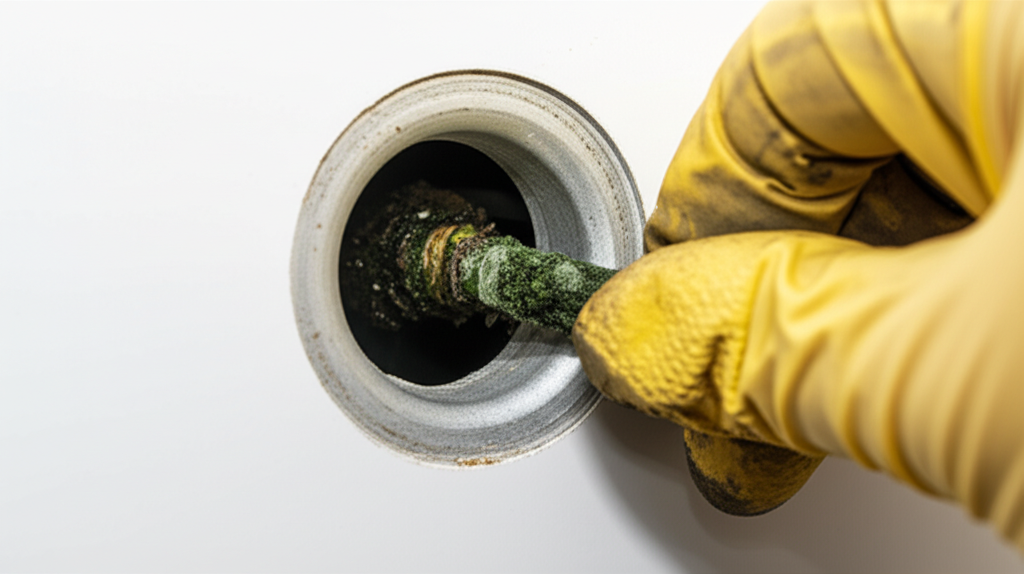
Quick Fix: Unclogging your AC drain line is easy! Use a wet/dry vac or a mix of vinegar and water to clear the blockage, allowing your system to drain properly and stop that annoying water leak fast.
Is your air conditioner dripping water inside your house? Maybe it is making a weird noise or just not cooling like it used to. These little problems can feel like big headaches. I get it; air conditioners can seem complicated. But don’t worry about confusing technical terms today. I am Jack from ACReviewHub.com, and I am here to help you fix simple stuff yourself. Today, we are tackling the most common indoor AC issue: a clogged drain line. We will make this effortless!
Why Your AC Drain Line Gets Clogged (It’s Just Gunk!)
Your air conditioner does a big job. It pulls hot, humid air from your home. As it cools the air, water naturally forms, just like on a cold glass of lemonade. This water needs a way out.

This water travels down a small pipe called the condensate drain line. Think of it as the AC’s tiny shower drain. Over time, dust, dirt, mold, and algae build up inside this pipe. This sludge slows down the water flow. Eventually, the pipe clogs up completely. When water has nowhere to go, it backs up and spills inside your house.
Spotting the Signs: Is Your Drain Line Blocked?
You need to know the warning signs before a small puddle turns into a big mess. Look out for these simple clues:
- Water leaking or pooling near your indoor AC unit (the furnace or air handler).
- Your AC stops blowing cold air, even though the fan seems to be running.
- The AC unit trips the safety switch, causing it to turn off completely.
- You see mold or mildew growing near the unit or the outside drain area.
If you see any of these, it is time to grab a few household items. You do not need to call a professional yet!
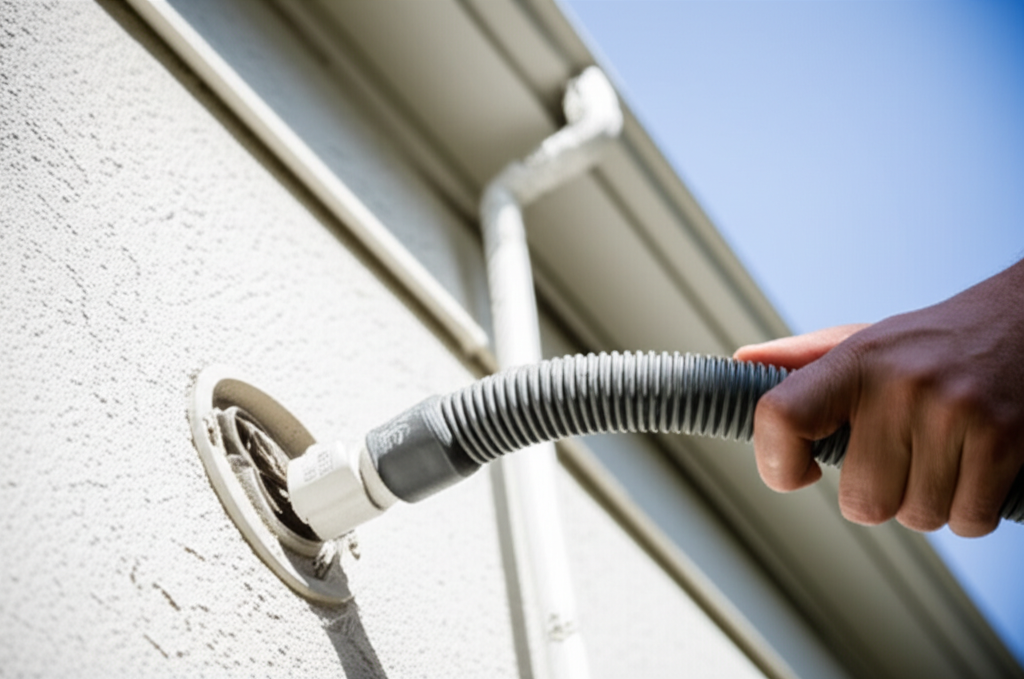
The Effortless Fix: Step-by-Step Unclogging Guide
We have two great, easy methods for clearing that gunk. Method one is best for most simple clogs. Method two is for tough blockages.
Method 1: Clearing the Clog with Vinegar (The Simple Flush)
This method uses common household vinegar to kill the mold and algae causing the backup. It is safe for your AC system.
What You Need:
- Distilled white vinegar
- A cup or funnel
- Old towels or a shallow pan
The Easy Steps:
- Turn Off the Power: Safety first! Go to your thermostat and switch the system to the “Off” setting. If you can find your main breaker box, switch off the power to the AC unit entirely.
- Find the Access Point: Look for a T-shaped vent pipe sticking out near your indoor unit or where the drain line exits your house. This is usually the best place to pour the vinegar.
- Pour the Vinegar: Slowly pour about one cup of distilled white vinegar directly into that access opening. Let it sit for about 30 minutes. The vinegar will work to dissolve the slimy buildup.
- Test the Flow: After 30 minutes, pour a cup of plain water down the same spot to flush the vinegar and debris through.
- Turn It Back On: Restore power and turn your AC back on. If the leak stops in the next hour, you fixed it!
Method 2: Sucking Out the Blockage with a Wet/Dry Vacuum
If vinegar does not work, the clog might be too thick or too far down the line. A wet/dry shop vacuum is the best tool for this job.
What You Need:
- A wet/dry shop vacuum (must be able to suck up water)
- Duct tape (optional, for a better seal)
The Vacuum Steps:
- Safety Check: Turn off the power to the AC unit again.
- Locate the Outside Exit: Find where the condensate drain line exits your home, usually a small PVC pipe near the foundation.
- Attach the Vacuum: Place the hose of your wet/dry vac right over the end of the drain pipe. Seal the gap as best you can using your hand or some duct tape to make a good seal.
- Vacuum Time: Turn the vacuum on. Let it run for about five minutes. It will suck the water, sludge, and debris out of the line. You might hear gurgling noises.
- Check the Results: Turn off the vacuum and remove the hose. Go back inside and check the area where the water was leaking. If the system is draining correctly now, you are done!
Keeping Things Flowing: Preventative Care Tips
A little bit of easy upkeep saves you a lot of trouble later. Think of this as giving your AC a quick weekly rinse.
Here are some easy maintenance steps to keep that drain line clear all summer long:
- Monthly Vinegar Flush: Once a month during heavy use, repeat Method 1 (the vinegar flush). Do this on a warm day when you are not running the AC heavily.
- Check the Outside Exit: Look at the end of the drain line outside every few weeks. Make sure leaves, mud, or insects have not blocked the exit point there.
- Keep the Area Clean: Keep grass, weeds, and debris clear from around your outdoor condenser unit and the area near the indoor unit access points.
To give you an idea of how system care impacts your energy bills, check out this simple comparison:
| Maintenance Level | Typical Efficiency Loss | Impact on Cooling Time |
|---|---|---|
| Excellent (Monthly Checks) | Less than 2% | Stays on schedule |
| Fair (Seasonal Checks) | 5% – 10% | Slightly longer run times |
| Poor (No Checks) | 15% or more | Frequent cycling or shutdowns |
Keeping your AC running smoothly is also good for the planet. The U.S. Department of Energy suggests that simple maintenance keeps systems running efficiently. You can learn more about saving energy at Energy.gov HVAC tips.
Troubleshooting Tougher Situations
Sometimes, the clog is just too stubborn for a simple flush or vacuum. If you have tried both methods and the water is still backing up, you might have a deeper problem.
Here are a few common issues that look like a clogged drain line but are slightly different:
| Symptom | Likely Cause | What To Do Next |
|---|---|---|
| Water Leaking, No Ice Visible | Clogged drain line (as discussed) | Try a gentle plumbing snake or call a pro. |
| Water Leaking AND Ice on Pipes | Low refrigerant or dirty air filter | Change the air filter first. If ice remains, call a technician. |
| Water Leaking From the Top of the Unit | The evaporator coil is cracked or damaged | This needs professional repair or replacement parts. |
If you suspect a refrigerant leak or frozen coils, please stop running the unit and call a licensed HVAC technician. Those issues are beyond simple DIY fixes.
Frequently Asked Questions (Just the Basics!)
Here are the quick answers to the questions I hear most often about drain lines.
Q: How often should I clean my AC drain line?
A: If you live somewhere humid, clean it monthly during summer. If it is drier, a good flush every two months is usually fine.
Q: Can I use bleach instead of vinegar?
A: You can, but vinegar is safer. Strong bleach can sometimes damage the plastic or rubber parts inside your system over time. Stick to vinegar for the best long-term care.
Q: Where exactly does the drain line go?
A: Usually, it drains outside near your home’s foundation, or sometimes it drains into a floor drain inside your basement or utility room.
Q: Why is my AC making a gurgling noise?
A: Gurgling means air is trapped because water is struggling to flow. It is a classic sign that a clog is forming!
Q: Do I need a special tool to unclog it?
A: Not usually! A wet/dry vac or just pouring vinegar works 90% of the time for beginners.
Q: How much does it cost to have a pro clear a drain line?
A: A simple drain cleaning visit is usually inexpensive—often less than $150, but you just saved yourself that money!
Final Cool Thoughts
See? That was not so scary after all! Unclogging your AC drain line is one of the easiest ways to keep your cooling system happy and avoid expensive water damage inside your home. Remember, AC care is all about small, consistent steps.
Keep up those monthly vinegar rinses, and you will save money and stay cool all season long. You’ve got this! Keep enjoying that cool air.
