
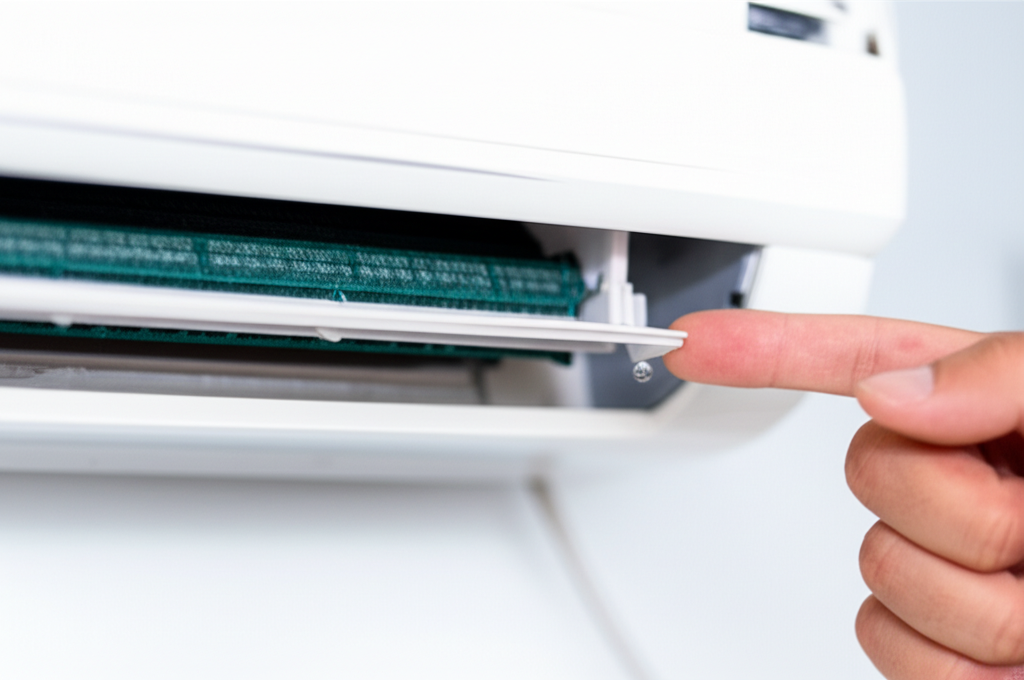
Fix AC Leakage: Effortless Solutions
Don’t panic about AC leaks! Most common drips are simple fixes like clogged drains or frozen coils. We’ll show you easy steps to stop the water, check the drain line, and get your cool air flowing again without calling a costly pro right away.
Is your air conditioner making a strange puddle on the floor? That little puddle can cause a big worry. You might think your AC is broken forever. High energy bills are also a common fear when the AC seems off. Many people feel confused by their AC unit. It seems too technical to fix yourself.

Well, I’m Jack from ACReviewHub.com, and I promise we can clear up this confusion. We will break down AC problems into super easy steps. You do not need to be a tech genius to handle simple leaks. This guide will teach you exactly how to spot the cause and fix most common AC leaks today.
Why Is My AC Suddenly Dripping Water?
Seeing water where it shouldn’t be is never fun. This usually means something simple is blocked or frozen up. It is rarely a major catastrophe, especially if the AC was working fine yesterday.
Water inside your home usually comes from the indoor unit, often called the evaporator coil. This coil gets very cold. When it gets cold, moisture from the air turns into water, just like on a cold glass of iced tea. This is normal condensation.
The problem starts when this normal water has nowhere to go. It overflows and drips inside your house. Let’s look at the three main reasons this happens.
The Top 3 Easy-to-Fix AC Leak Causes
These three things cause 90% of beginner AC leaks. You can check all of them yourself in minutes.
- Clogged Condensate Drain Line: This is the most common culprit. Dust, algae, or mold builds up inside the small pipe that carries water away from your unit.
- Dirty Air Filter: A super dirty filter blocks airflow. When air can’t move over the cold coil easily, the coil freezes up. When the ice melts, it causes a huge flood.
- Frozen Evaporator Coil: This happens because of low refrigerant or bad airflow (often due to that dirty filter). When the ice melts, the drain pan overflows.
Step-by-Step: How to Clear a Clogged AC Drain Line
If you see water dripping from the indoor unit or near the thermostat, start here. This is your best bet for an easy fix.
First, you must turn off the power to your AC unit. Safety first! Go to your thermostat and set the system to “Off.” If you can easily access the circuit breaker for the furnace or air handler, turn that off too.
Tools You Might Need
Gather these simple items before you start the cleaning process.
| Tool | Purpose |
|---|---|
| Wet/Dry Vacuum (Shop-Vac) | To suck out the blockage. |
| Distilled White Vinegar | To kill mold and algae. |
| Small brush or coat hanger | To gently poke the drain opening. |
The Drain Line Clearing Process
Follow these steps calmly. We are just cleaning a small tube.
- Locate the Drain Line Access Point: This is usually a small PVC pipe or vent near your indoor unit (furnace/air handler). It might have a T-shaped cap on it.
- Pour Vinegar Down the Line: Carefully pour about half a cup of distilled white vinegar directly into the access point. This helps dissolve gunk. Wait 30 minutes.
- Vacuum the Blockage: If the vinegar doesn’t clear it, you need suction. Attach your wet/dry vacuum hose tightly over the outside end of the drain pipe (where the water normally exits the house).
- Suck it Out: Turn the vacuum on high and hold the seal tight for 2–3 minutes. You should hear or see water rush out.
- Test the Flow: After vacuuming, pour a cup of plain water down the access point. Watch where the water usually drains outside—it should flow freely now!
Once the water flows freely, turn the power back on and test your system. If the dripping stops, you just saved yourself a service call!
Solving the Frozen Coil Problem (No Refrigerant Needed!)
If water is dripping heavily, but the drain line seems okay, your coil might be frozen solid. This looks like a block of ice around the metal fins inside your unit.
Why it freezes: Low airflow is the main reason beginners freeze their coils. If air can’t pass over the coil fast enough, the coil gets too cold and the moisture turns to ice instead of water.
Immediate Action for a Frozen Coil
You cannot run an AC when the coil is frozen. You must thaw it first. Running it will just make the ice thicker.
- Turn Off Cooling: Switch the thermostat from “Cool” to “Off.”
- Turn On the Fan: Switch the fan setting from “Auto” to “On.” This blows warm air over the ice, melting it faster.
- Wait Patiently: This can take 2 to 6 hours, depending on how thick the ice is. Put a bucket underneath if it’s dripping a lot.
- Check the Filter: While waiting, pull out your air filter. If it is black with dust, replace it immediately! This is likely why it froze.
Once fully thawed, turn the system back to “Cool” and “Auto.” If it freezes again within 24 hours, you likely have a deeper airflow issue or need a professional check on the refrigerant levels.
Simple AC Maintenance to Prevent Future Leaks
The secret to a leak-free AC is simple, routine care. Think of it like brushing your teeth—it keeps the big problems away.
| Maintenance Task | Frequency | Why It Matters |
|---|---|---|
| Change Air Filter | Every 30–90 days | Ensures proper airflow to prevent freezing. |
| Clean Outdoor Unit (Condenser) | Twice a year | Keeps the unit efficient and prevents overheating. |
| Pour Vinegar Down Drain Line | Once per season (Spring/Fall) | Kills algae/mold before it causes clogs. |
For more great tips on keeping your system healthy, check out the helpful guides over at Energy.gov for efficiency advice.
When to Call the AC Expert
While many leaks are DIY fixes, some signs mean you need a licensed professional. Don’t try to fix these yourself!
- Refrigerant Smell: If you smell a sweet, oily odor, you might have a refrigerant leak. This needs special tools to fix safely.
- AC Won’t Turn On After Thawing: If you fixed the ice, but the unit won’t start cooling, the thermostat or capacitor might be bad.
- Water Still Dripping After Cleaning: If you’ve cleared the line and the coil is not frozen, the drain pan itself might be cracked or damaged.
- Continuous Freezing: If the filter is new and the fan runs fine, but the coil freezes again and again, you probably need a professional to check the refrigerant charge.
Frequently Asked Questions (FAQ) for Beginners
Here are quick answers to the things most new AC owners ask me.
- Q: How long should it take to thaw a frozen AC coil?
- A: It usually takes between 3 to 6 hours with the fan running on high. Be patient!
- Q: Is it safe for my AC to drip a little water?
- A: No, it’s not safe. Even a small drip means the drain system is struggling, which can lead to bigger problems or mold growth.
- Q: Can I use bleach instead of vinegar to clean the drain line?
- A: While some people use a very weak bleach solution, vinegar is much safer for the pipes and the environment inside your home. Stick to vinegar!
- Q: Does running the fan constantly help prevent freezing?
- A: Yes! Keeping the fan on “On” instead of “Auto” ensures constant air moves across the coil, which helps prevent ice from building up when the cooling cycle stops.
- Q: How much does a professional AC leak repair usually cost?
- A: Simple drain cleanings are often $100–$200. If it’s a refrigerant leak, costs vary widely based on the repair, often starting around $300 and going up.
Taking care of your air conditioner doesn’t have to feel like rocket science. Most water leaks are just clogged pipes or dirty filters crying out for attention. By checking the simple things first—your filter and your drain line—you can often solve the problem yourself.
Stay consistent with that monthly filter change and a quick seasonal drain check. You’ll save energy, avoid frustrating shutdowns, and keep your home perfectly cool. You’ve got this!
